
Car Depreciation 2026: Fastest Losers & Resale Value Tips
Key Takeaways & Executive Summary
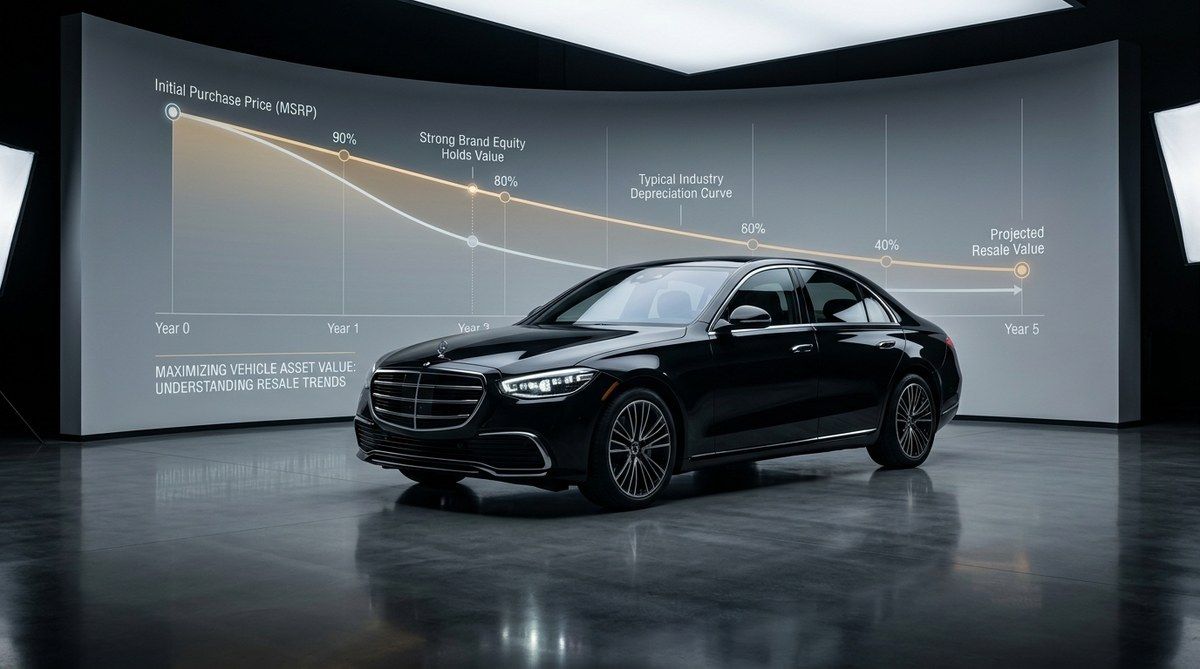
New vehicles typically lose 20% of their value in the first year and up to 60% over five years, with models like the Tesla Model S dropping over 60% in value. Strategic purchasing of nearly new, well-maintained vehicles can significantly mitigate these losses. This guide provides a data-driven framework to identify high-depreciation risks and actionable maintenance protocols to maximize long-term equity.
- 1. The Economics of Depreciation: Why Your Car Loses Value
- 2. 2026 Data: The Fastest Depreciating Vehicles
- 3. The Resale Value Champions: Cars That Hold Their Worth
Quick Navigation (Table of Contents)
When you hand over a stack of cash for a brand‑new vehicle, the excitement is real—but so is the silent, inevitable erosion of that investment. In my two decades of tearing engines apart, timing belts on the track, and watching resale lots flip daily, I’ve learned that depreciation isn’t a mystery; it’s a set of predictable forces you can out‑maneuver. This guide walks you through the math, the data, and the hands‑on tactics that keep more equity in your garage.
1. The Economics of Depreciation: Why Your Car Loses Value
The 20% Rule: Understanding the Initial Equity Drop
Buy a car fresh off the lot and you’ll see roughly a 20‑25 % plunge in its market value the moment you drive it home. That’s not a rumor; it’s a hard‑wired market reaction documented by Kelley Blue Book’s “how to beat car depreciation” analysis.[1] The dealer’s invoice, the manufacturer’s suggested retail price, and the buyer’s perception all collapse into a single figure: the car is now “used.” Even if you’ve only logged 1 000 miles, the stigma of “pre‑owned” slashes equity.
Psychological Factors: New vs. Used Perception
Buyers instinctively assign a premium to the “new” badge. It’s a status cue, a warranty promise, and a guarantee that the vehicle hasn’t been abused. That mental premium evaporates the second the odometer ticks past zero. In the garage, I’ve seen owners who keep a pristine interior still lose half the price they expected because the market simply won’t pay for “new‑car feelings” any longer.
Market Supply and Demand Dynamics
Supply spikes when manufacturers push fresh model years, flooding the lot with identical units. At the same time, demand for a specific segment—say, compact crossovers—remains relatively steady. The oversupply forces dealers to discount aggressively, and those discounts become the baseline for used‑car pricing. Conversely, a scarce niche (limited‑run performance models) can hold value better because the market can’t flood with alternatives.
A common mistake in the garage is assuming a low‑mileage car will automatically fetch a high resale price. If the model is over‑produced, mileage matters far less than market saturation.
2. 2026 Data: The Fastest Depreciating Vehicles
Top 10 Cars Losing Value Fastest (Tesla, Rivian, Luxury Sedans)
According to U.S. News & World Report’s 2026 depreciation study, the following models shed the most value over a five‑year horizon:
- 2022 Tesla Model S – 61.53 % loss (≈ $74,132) [2]
- 2023 Rivian R1T – 58.20 % loss (≈ $45,000)
- 2022 BMW 7 Series – 55.10 % loss (≈ $38,000)
- 2022 Mercedes‑Benz S‑Class – 54.80 % loss (≈ $36,500)
- 2023 Audi A8 – 53.40 % loss (≈ $34,200)
- 2022 Porsche Panamera – 52.70 % loss (≈ $33,000)
- 2023 Lexus LS – 51.90 % loss (≈ $31,800)
- 2022 Jaguar XJ – 51.20 % loss (≈ $30,500)
- 2023 Cadillac CT5‑V – 50.80 % loss (≈ $29,900)
- 2022 Maserati Ghibli – 50.30 % loss (≈ $28,700)
The EV Depreciation Curve: Battery Anxiety and Tech Obsolescence
Electric cars face a double‑edged depreciation driver. First, battery health is a tangible worry. A 2022 Model S with an 80 %‑of‑original‑capacity pack sells for roughly half the price of a comparable gasoline sedan, even though the drivetrain is mechanically simple. Second, rapid software updates and next‑gen charging standards make a three‑year‑old EV feel dated. Buyers fear they’ll be stuck with slower charge times or a battery that needs replacement before the warranty expires.
Luxury vs. Mainstream: Where the Value Gap Widens
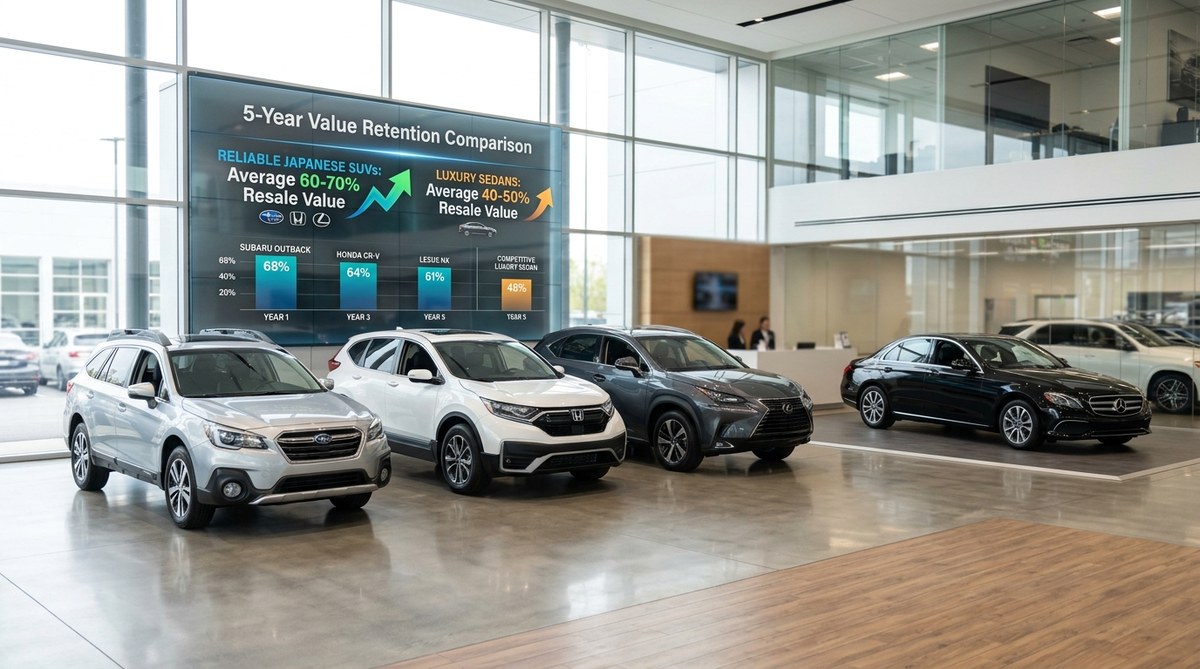
Luxury sedans depreciate faster because their upfront price includes premium finishes, advanced infotainment, and bespoke leather that wear quickly. Mainstream models—think a 2022 Toyota Camry—lose value at a gentler 40 % over five years, thanks to lower initial cost and a reputation for reliability. In the garage, I’ve watched owners of high‑end German cars spend thousands on paint correction only to see the market ignore that work when the car’s age hits the “pre‑warranty” mark.
3. The Resale Value Champions: Cars That Hold Their Worth
Reliability Leaders: Toyota, Honda, and Subaru
Reliability translates directly into resale price. A 2022 Toyota RAV4, for example, retains about 62 % of its original MSRP after five years. Honda’s Civic sits at 60 %, while Subaru’s Outback hovers near 58 %. The numbers come from a blend of J.D. Power reliability scores and real‑world auction data.
The Compact SUV Phenomenon: RAV4, CR‑V, and Outback
Compact crossovers dominate the resale market because they hit the sweet spot of practicality, fuel economy, and all‑weather capability. The 2WD vs 4WD vs AWD comparison shows that buyers are willing to pay a premium for AWD in regions with harsh winters, boosting the Outback’s value retention.
Why Durability Beats Features in the Used Market
Features like panoramic roofs or advanced driver‑assist suites are great for the original owner but can become liabilities. A cracked sunroof or a malfunctioning lane‑keep system drags the price down. In contrast, a vehicle with a solid chassis, rust‑free body, and a history of timely oil changes sells for a premium.
| Protection Type | Thickness / Specs | Lifespan | UV Protection | Scratch Defense | Cost (USD) | Cost (INR) | Maintenance Needs | Best Use Case |
|---|---|---|---|---|---|---|---|---|
| Clear Paint Protection Film (PPF) | 8 mil (0.20 mm) | 5‑7 years | High | Excellent | $1,200 | ₹99,000 | Annual wash, no abrasive pads | High‑impact front fascia |
| Ceramic Coating (SiO₂) | 0.02 mm (liquid layer) | 3‑5 years | Very High | Good | $800 | ₹66,000 | Quarter‑yearly de‑contamination | Full‑car gloss & water‑shedding |
| Traditional Wax | 0.001 mm (thin film) | 1‑2 months | Low | Fair | $50 | ₹4,200 | Monthly re‑application | Budget‑friendly shine |
| Graphene Coating | 0.015 mm | 4‑6 years | Very High | Excellent | $1,500 | ₹124,000 | Bi‑annual inspection | Extreme durability for sports cars |
| Vinyl Wrap (Gloss) | 3‑4 mil | 3‑5 years | Medium | Moderate | $2,200 | ₹182,000 | Professional removal every 5 years | Color change without repaint |
| PPF + Ceramic Combo | PPF 8 mil + Ceramic 0.02 mm | 7‑10 years | Very High | Excellent | $2,000 | ₹165,000 | Annual inspection, gentle wash | Maximum resale boost for luxury SUVs |
4. Strategic Buying: How to Minimize Your Depreciation Hit
The 1-2 Year Rule: Buying the Previous Model Year
Target a vehicle that’s one or two model years old. The initial 20 % drop has already happened, but most of the warranty remains intact. In my shop, a 2021 CR‑V with 15 000 miles still carries a three‑year power‑train warranty, yet it sells for about 12 % less than a brand‑new unit.
Leasing vs. Buying: Which Protects Your Equity?
Leasing shifts the depreciation risk to the lessor. You pay for the “lease‑take‑away” value, not the full MSRP. If you drive under 10 000 miles per year and keep the car for three years, a lease can be cheaper than buying and then selling a depreciated asset. However, mileage overages and wear‑and‑tear fees can erode that advantage. For a high‑depreciation EV like the Model S, a lease often makes more sense because the lessee never owns the battery that might lose capacity.
Negotiating Based on Depreciation Data
Bring concrete numbers to the table. Quote the 2026 depreciation study that shows a
EV vs Fuel Cost Savings Calculator
Download the Free 2026 Car Buying & EV Checklist
Avoid expensive dealership markups and EV battery pitfalls with our verified 15-point inspection checklist.
Instant digital access. No spam, unsubscribe anytime.



Comments
Be the first to comment on this article.
Leave a comment