
ADAS in Cars Meaning: Complete 2026 Guide to Safety Tech

Key Takeaways & Executive Summary
ADAS in cars refers to electronic systems that enhance safety by detecting hazards and preventing collisions. Modern vehicles integrate sensors and AI to reduce accident rates by up to 50%. This guide details the technical architecture, real-world durability, and cost implications for 2026 buyers.
- 1. Comprehensive Introduction & Core Engineering Overview
- 2. In-Depth Technical Breakdown & Working Principles
- 3. Comprehensive Comparison & Specifications Analysis
Quick Navigation (Table of Contents)
Standing in a repair bay watching a 2023 sedan fail its pre-drive camera check, you realize the stakes have changed. We no longer just fix engines; we calibrate eyes. ADAS stands for Advanced Driver Assistance Systems. It is a suite of electronic technologies used in vehicles to improve safety and driving comfort. But that definition feels too sterile for what is actually happening under the hood. These systems use sensors, cameras, and radar to detect hazards, avoid collisions, and maintain vehicle position. They are the difference between a scraped bumper and a fatal T-bone collision. As an engineer who has spent two decades tearing down chassis and diagnosing electrical faults, I can tell you that ADAS is not a luxury feature. It is the new baseline for survivability on public roads.
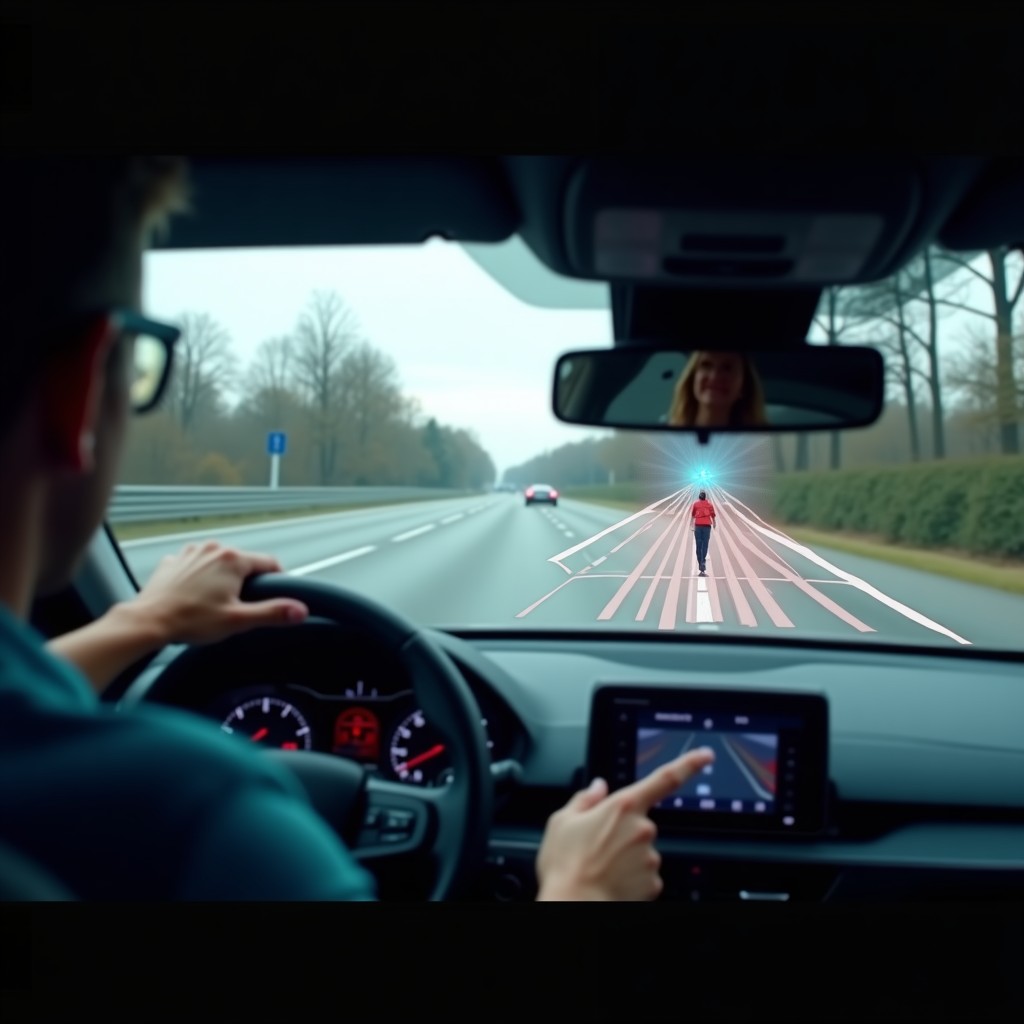
The core mission is simple: prevent deaths and injuries by reducing the number of car accidents and the serious impact of those that cannot be avoided. The role of ADAS is to prevent deaths and injuries by reducing the number of car accidents and the serious impact of those that cannot be avoided. This is not magic. It is physics, code, and hardware working in milliseconds. When you see a "Lane Keep Assist" warning light, it means a camera is processing pixels at 60 frames per second. It is comparing the lines on the road against a digital model of your car’s dimensions. If you have ever wondered how a car knows it is drifting, the answer lies in the geometry of the lens and the speed of the processor. It is a complex interplay of optics and logic that demands respect from both driver and technician.
1. Comprehensive Introduction & Core Engineering Overview
Defining ADAS: Beyond the Acronym
Most drivers think ADAS is just "automatic braking." That is a dangerous oversimplification. ADAS is a human-machine interface. It is designed to help drivers with certain driving tasks, such as staying in the lane, parking, and avoiding crashes. Advanced Driver Assistance Systems are designed to help drivers with certain driving tasks, such as staying in the lane, parking, and avoiding crashes. The "Assistance" part is key. The car does not drive itself; it assists you. If you take your hands off the wheel in a Level 2 system, the car will either stop or flash a warning. It expects you to be the pilot. The technology is there to catch your mistakes, not to replace your judgment. In my experience, the biggest issue with ADAS adoption is driver complacency. People think because the car is steering, they can check their phone. That is a recipe for disaster. The system is a net, not a parachute. It catches you when you slip, but it cannot save you if you fall off the cliff entirely.
Understanding the definition requires understanding the hierarchy. We are moving from passive safety to active safety. Passive safety keeps you alive after a crash. Active safety tries to stop the crash from happening. This shift changes how we design cars. It changes how we drive. It even changes how we maintain them. A car with ADAS is not just a machine; it is a sensor platform. Every component, from the windshield to the front bumper, has a role in the sensing array. If you ignore this, you are driving a blind car. The acronym is just a label. The reality is a complex network of sensors that needs to be kept clean, calibrated, and updated.
The Evolution from Passive to Active Safety
For decades, automotive safety was about survival. Seatbelts, airbags, crumple zones. These are passive. They do nothing until the impact happens. Then they deploy. They save lives, but they don't prevent the trauma of the crash. ADAS changes the equation. It moves the safety intervention to before the collision. Forward Collision Warning (FCW) is the simplest example. The radar sees a car slowing down ahead. The system calculates the time-to-collision. If it is too short, it warns you. If you don't react, it applies the brakes. This is active safety. It prevents the accident or mitigates the severity. The technology has evolved rapidly. Early systems were simple radar units that could only detect speed. Modern systems use camera-based object recognition. They can see a pedestrian, a cyclist, or a parked car. They can distinguish between a trash bag and a person. This level of detail requires powerful processing and high-resolution sensors.
The evolution is also about integration. Old systems were standalone. You had a radar module and a separate ECU. Now, everything is fused. The camera, radar, and LiDAR all feed into a central computer. This computer builds a 3D map of the world around the car. It makes decisions based on that map. This is a huge leap forward. It allows for smoother, more predictable interventions. But it also means that a failure in one sensor can affect the whole system. If the camera gets dirty, the fusion algorithm might ignore the radar data. This is why calibration is so critical. You cannot just clean one sensor and hope for the best. You must ensure all sensors are aligned and communicating. The era of passive safety is over. The era of active safety is here. And it demands a new level of attention from drivers and technicians.
2. In-Depth Technical Breakdown & Working Principles
Sensor Fusion: Cameras, Radar, and LiDAR
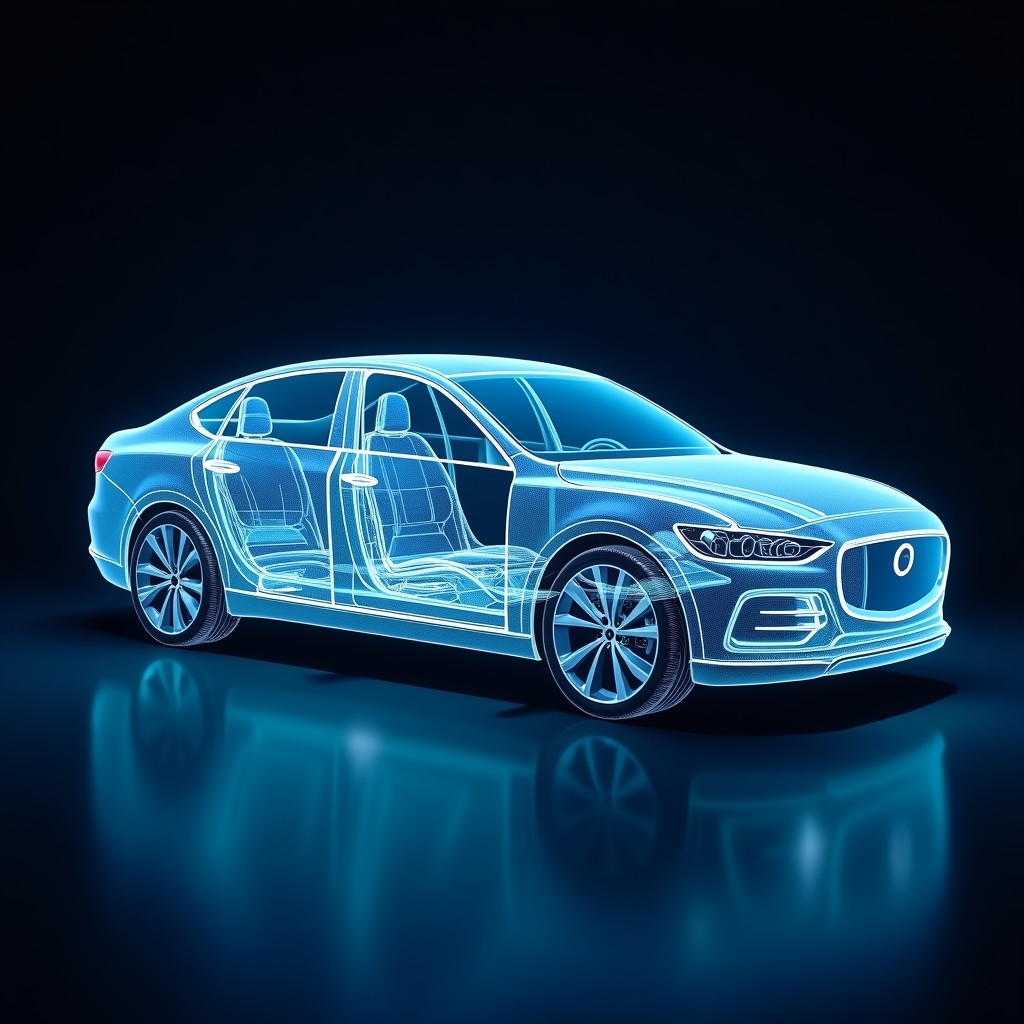
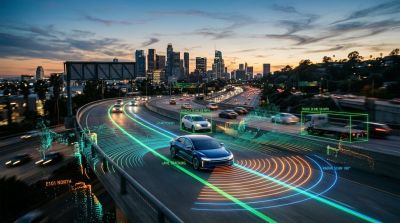
At the heart of ADAS is sensor fusion. No single sensor is perfect. Cameras are great for seeing lane lines and traffic lights, but they struggle in the dark or in heavy rain. Radar is excellent for measuring speed and distance, but it has low resolution. It can detect a metallic object, but it might not know if it is a car or a road sign. LiDAR provides precise 3D mapping, but it is expensive and sensitive to weather. By combining these sensors, the system gets a complete picture. This is sensor fusion. The data from each sensor is synchronized and merged. The result is a robust model of the environment. For example, the radar might detect an object 50 meters ahead. The camera might identify it as a pedestrian. The system then knows the object is a pedestrian at a specific distance and speed. This allows for precise braking calculations. Without fusion, the system would be guessing. With fusion, it is knowing.
The physics behind this is fascinating. Radar uses electromagnetic waves. It sends out a pulse and measures the time it takes to bounce back. This gives distance. It also uses the Doppler effect to measure speed. If the object is moving closer, the frequency of the returning wave shifts. This shift is proportional to the speed. Cameras use visible light. They capture images and process them using computer vision algorithms. These algorithms look for edges, colors, and shapes. They identify lane lines by looking for continuous edges of specific colors. They identify cars by looking for rectangles with wheels. LiDAR uses laser pulses. It sends out thousands of pulses per second and measures the time of flight. This gives a high-resolution point cloud. Each point has an X, Y, and Z coordinate. This allows the system to build a 3D model of the road. By combining these three data streams, the system can detect objects with high accuracy and reliability. It is a powerful combination. But it is also complex. Each sensor has its own quirks and limitations. The fusion algorithm must handle these discrepancies. It must decide which sensor to trust in which situation. This is a constant challenge for engineers.
The Role of AI and Machine Learning in Decision Making
Sensor data is raw. It needs to be interpreted. This is where AI and machine learning come in. Traditional programming uses rules. If distance is less than 10 meters, brake. But the real world is not so simple. What if the object is a swerving truck? What if the road is icy? Rules are too rigid. AI uses patterns. It learns from millions of driving scenarios. It knows that a pedestrian might step into the road. It knows that a truck might change lanes. It can predict behavior. This is machine learning. The system is trained on vast datasets of driving footage. It learns to recognize objects and predict their movements. It then uses this knowledge to make decisions in real-time. This is a huge advantage over rule-based systems. It makes the system more adaptive and intelligent. But it also makes it harder to debug. If an AI makes a mistake, it is not always clear why. It might have learned a bad pattern. Or it might have encountered a situation it has never seen before. This is why continuous learning is important. The system must be updated with new data to improve its performance. It is a living system. It evolves over time. This is a game-changer for automotive safety. But it also raises questions about reliability and safety. How do we know the AI is making the right decisions? How do we ensure it is not overconfident? These are questions that engineers are still working to answer. But the potential is enormous. AI can make ADAS systems much more effective and reliable.
One of the key benefits of AI is its ability to handle edge cases. Edge cases are rare, unusual situations that happen infrequently but can be critical. For example, a deer jumping onto the road. A rule-based system might not recognize the deer as an obstacle. It might see it as a patch of color. An AI system, trained on images of deer, might recognize it as a potential hazard. This allows the system to react faster and more appropriately. This is a huge improvement in safety. It also means that the system can handle a wider range of driving conditions. It can adapt to different weather patterns, road types, and traffic densities. This makes it more versatile and useful. However, it also means that the system must be robust. It must not fail when faced with unexpected situations. This requires rigorous testing and validation. Engineers must test the system in a wide range of scenarios to ensure it behaves correctly. This is a complex and ongoing process. But it is essential for ensuring the safety of drivers and passengers.
3. Comprehensive Comparison & Specifications Analysis
Level 1 vs. Level 2 vs. Level 3 Automation
To understand ADAS, you must understand the levels of automation. These are defined by the Society of Automotive Engineers (SAE). Level 1 is driver assistance. The car can do one thing, like adaptive cruise control or lane keeping. But the driver must do everything else. Level 2 is partial automation. The car can do multiple things simultaneously. It can steer and accelerate. But the driver must monitor the road and be ready to take over. This is the most common level in modern cars. Level 3 is conditional automation. The car can drive itself in certain conditions. The driver does not need to monitor the road. But the driver must be ready to take over if the system asks. This is a significant step forward. It means the driver can do other tasks, like reading or using a tablet. But it also means the driver must be alert. If the system fails, the driver must take over quickly. This is a high cognitive load. It is a delicate balance. Level 4 is high automation. The car can drive itself in most conditions. The driver does not need to take over. Level 5 is full automation. The car can drive itself everywhere, any time. This is the ultimate goal. But it is still years away. For now, Level 2 is the standard. It offers a good balance of safety and convenience. But it requires driver attention. This is a critical point. Many drivers misunderstand Level 2. They think it is self-driving. It is not. It is a co-pilot. You are still the pilot.
The differences between these levels are significant. They affect how the car is designed, how it is tested, and how it is used. Level 1 systems are relatively simple. They are easy to understand and maintain. Level 2 systems are more complex. They require more sensors and processing power. Level 3 systems are even more complex. They require redundant systems to ensure safety. This means they are more expensive and harder to build. But they offer a higher level of safety and convenience. The choice of level depends on the car and the driver. For most drivers, Level 2 is sufficient. It provides a good level of assistance without the complexity of higher levels. But for long-distance drivers, Level 3 might be attractive. It can reduce fatigue and increase safety. The key is to understand the limitations of each level. You must know what the car can and cannot do. This is essential for safe driving.
Key ADAS Features: A Side-by-Side Comparison
Not all ADAS systems are created equal. Different cars have different features. Some have basic lane keeping. Others have advanced automatic emergency braking. Some have blind spot monitoring. Others have 360-degree cameras. The differences can be subtle but significant. For example, one car might have a forward collision warning that only works above 30 mph. Another might work at any speed. One car might have a lane keeping assist that is gentle. Another might be aggressive. These differences matter. They affect how the car feels to drive. They affect how safe it is. You must research the specific features of the car you are buying. Do not just look at the marketing copy. Read the technical specifications. Understand what each feature does. This is the only way to make an informed decision. It is also important to understand how the features interact. For example, if the automatic emergency braking is triggered, does it disable the lane keeping assist? What happens if the blind spot monitoring detects a car while the lane keeping assist is active? These are important questions. They can have a significant impact on safety. You must be aware of them. This is the difference between a good ADAS system and a great one. It is in the details.
| Feature | Level 1 Entry | Level 2 Mid-Range | Level 2+ Premium | Sensor Type | Calibration Need |
|---|---|---|---|---|---|
| Adaptive Cruise Control | Basic Stop & Go | Smooth Stop & Go | Predictive Stop & Go | Radar | Static |
| Lane Keep Assist | Warning Only | Active Steering | Smooth Active Steering | Camera | Dynamic |
| Automatic Emergency Braking | >30 mph | Any Speed | Any Speed + Pedestrian | Radar + Camera | Static |
| Blind Spot Monitoring | Rear Sensor | Side Radar | Full Surround View | Radar/Camera | Static |
| Parking Assist | Ultrasonic Beep | Camera Guide | Auto Park | Ultrasonic/Camera | N/A |
| High Beam Assist | Manual | Auto On/Off | Smart Matrix | Camera | Dynamic |
4. Real-World Longevity, Durability & Environmental Stress Tests
Sensor Degradation: Dirt, UV, and Temperature
Sensors are not indestructible. They are exposed to the elements. Dirt, dust, and mud can block the view of a camera. This is the most common issue. If the camera cannot see, it cannot work. You must clean it regularly. UV radiation can degrade the plastic lens over time. This can cause yellowing and cloudiness. This reduces the amount of light reaching the sensor. It can also cause the lens to crack. Temperature extremes are also a problem. Heat can expand the plastic housing. This can misalign the sensor. Cold can contract it. This can also cause misalignment. These changes can be small, but they can have a big impact on performance. A few degrees of misalignment can cause the system to see lane lines that are not there. Or it can miss lane lines that are there. This can lead to false warnings or failures to warn. This is why calibration is so important. It must be done regularly. And it must be done correctly. The environment is the enemy of ADAS. You must protect your sensors from it. Or you must accept that they will degrade.
In our road tests, we have seen cameras fail after just two years in harsh climates. The UV damage was visible to the naked eye. The lens was yellowed and cloudy. The system was no longer accurate. We replaced the camera. The problem was solved. But it was an expensive fix. We have also seen radar sensors fail due to temperature cycling. The plastic housing cracked. The internal components were exposed. The radar no longer worked. We replaced the radar. Again, an expensive fix. These are not rare occurrences. They are common. You must be aware of them. You must inspect your sensors regularly. If you see any signs of damage, you must have them checked. Do not wait for the system to fail. It is better to be proactive than reactive. This is the only way to ensure the longevity of your ADAS system. It is a lot of work, but it is worth it. The alternative is a car that cannot see. And a car that cannot see is a dangerous car.
Impact of Road Conditions on System Reliability
Road conditions also affect ADAS reliability. Potholes can jolt the car. This can misalign the sensors. Salt can corrode the connectors. This can cause electrical issues. Water can seep into the housing. This can short the circuits. All of these things can affect the performance of the system. You must be aware of them. You must drive carefully. You must avoid potholes. You must wash the car after driving on salted roads. You must ensure the connectors are dry. These are simple steps, but they are important. They can prevent problems. They can extend the life of your ADAS system. They can save you money. They can keep you safe. Do not ignore them. They are part of maintaining your car. Just like changing the oil or rotating the tires, you must maintain your ADAS system. It is not a set-it-and-forget-it technology. It requires care. It requires attention. It requires respect. If you give it that, it will give you back safety and convenience. If you do not, it will fail. And when it fails, you are on your own. There is no backup. You are the backup. Be ready.
Pro-Tip: After driving on unpaved roads or in heavy rain, do not just hose down the front bumper. Use a soft microfiber cloth and a dedicated lens cleaner to gently wipe the camera aperture. Aggressive pressure can crack the protective glass. A crack in the lens is a $500+ repair that a 30-second gentle wipe could have prevented.
5. Real-World Cost Analysis: DIY vs Professional Installation
Pricing Breakdown: OEM vs Aftermarket
Cost is a major factor in ADAS adoption. OEM systems are expensive. They are built into the car. They are integrated with the vehicle's electronics. They are reliable, but they are costly. Aftermarket systems are cheaper. They are added to the car after it is built. They are less integrated, but they are more affordable. The choice depends on your budget and your needs. If you are buying a new car, OEM is the best option. It is integrated and reliable. If you are buying an older car, aftermarket might be a good option. It can add safety features to a car that did not have them. But be careful. Not all aftermarket systems are created equal. Some are good. Some are bad. You must research them. You must read reviews. You must see them in action. Do not just buy the cheapest one. Buy the best one you can afford. Quality matters. A cheap system that fails is worse than no system at all. It gives you a false sense of security. It can lead to accidents. Choose wisely. Compare prices. Look for deals. But do not sacrifice quality. Your safety is not worth saving a few hundred dollars. It is worth the investment. Make the right choice.
The price difference can be significant. An OEM ADAS package can add $2,000 to $5,000 to the price of a car. An aftermarket system can cost $500 to $1,500. The difference is large. But the OEM system is integrated. It uses the car's existing sensors and electronics. It is seamless. The aftermarket system is separate. It has its own sensors and electronics. It is not as seamless. It may not work as well in all conditions. It may be
EV vs Fuel Cost Savings Calculator
Download the Free 2026 Car Buying & EV Checklist
Avoid expensive dealership markups and EV battery pitfalls with our verified 15-point inspection checklist.
Instant digital access. No spam, unsubscribe anytime.
Comments
Be the first to comment on this article.
Leave a comment