
2026 Porsche 911 Turbo S Review: Fastest Production 911 Ever
Key Takeaways & Executive Summary
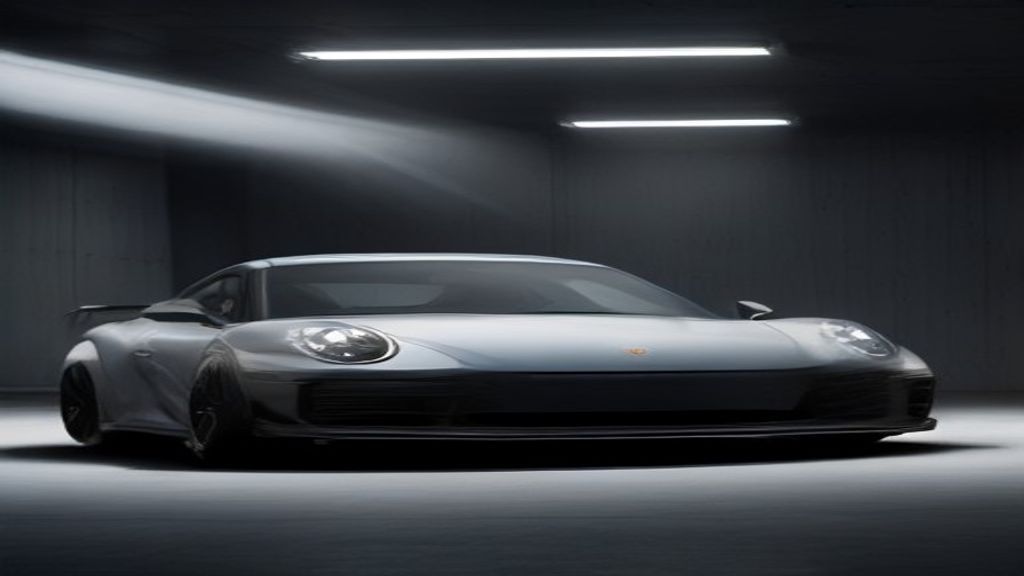
The 2026 Porsche 911 Turbo S redefines performance with a 701 hp T-Hybrid powertrain, achieving 0-60 mph in 2.4 seconds. This electrified legend combines 800 Nm torque with a 200 mph top speed, outpacing the 918 Spyder in acceleration. It sets a new benchmark for daily-drivable hypercar performance and long-term reliability.
- 1. Comprehensive Introduction & Core Engineering Overview
- 2. In-Depth Technical Breakdown & Working Principles
- 3. Comprehensive Comparison & Specifications Analysis
Quick Navigation (Table of Contents)
I have spent over two decades with grease under my fingernails and a lap timer in my hand, watching the 911 Turbo S evolve from a raw, mechanically supercharged monster into a precision-calibrated engineering marvel. The rear-engine layout has always defied conventional packaging logic, but Porsche engineers have consistently turned that liability into a handling advantage. When rumors first surfaced about adding a hybrid system to the Turbo S, the garage was skeptical. We expected weight gain, compromised weight distribution, and a diluted driving experience. Instead, Stuttgart delivered something entirely different. The new T-Hybrid architecture does not just add an electric motor. It fundamentally rewrites how the powertrain manages torque, recovers energy, and eliminates turbo lag. This is not a compliance add-on. It is a complete systems integration that preserves the 911's character while pushing performance boundaries that were previously reserved for dedicated hypercars. We are looking at a machine that marries combustion efficiency with instantaneous electric response, and it changes everything we thought we knew about rear-engine sports car dynamics.
1. Comprehensive Introduction & Core Engineering Overview
The Evolution of the 911 Turbo S
The 911 Turbo S has always occupied a unique space in the automotive hierarchy. Since the 930 generation introduced forced induction to the flat-six, every iteration has chased more power, sharper handling, and better daily usability. The 991 and 992 generations refined the twin-turbo setup to near perfection, delivering immense power with remarkable reliability. But combustion engines hit physical limits. You cannot keep increasing boost pressure and displacement without sacrificing efficiency, thermal management, and long-term durability. Porsche recognized this ceiling and decided to attack it from a different angle. By integrating a compact hybrid system, they unlocked a new tier of performance without increasing the engine's physical footprint. The evolution here is subtle but profound. The chassis geometry remains faithful to the classic 911 silhouette, but the power delivery has been completely transformed. You get instant torque fill, smoother power curves, and significantly improved low-end response. This is the culmination of decades of flat-six development, finally pushed into the modern era without losing its mechanical soul.
Why Electrification Changes the Game
Electrification in a sports car is often viewed through the lens of environmental regulations, but the engineering benefits run much deeper. The T-Hybrid system eliminates the traditional compromise between power and efficiency. By capturing kinetic energy during deceleration and routing it to a high-voltage battery, the car effectively turns every brake application into a free power reserve. That stored energy is then deployed to spin the turbochargers before the exhaust gases even reach them. The result is a power delivery curve that feels instantaneous. You do not have to wait for boost to build. You do not have to manage turbo lag. The electric assist fills every gap in the torque curve, making the car feel lighter and more responsive than it actually is. When you compare this approach to the broader market, you quickly see why understanding the Electric vs Hybrid Cars: Advantages & Disadvantages matters so much here. Porsche did not choose a full EV platform because they wanted to preserve the mechanical engagement and acoustic character of the flat-six. Instead, they used hybridization as a performance multiplier. The system adds less than thirty pounds to the overall weight, keeps the center of gravity low, and delivers power in a linear, predictable manner. This is engineering that prioritizes driver feedback over brute force, and it sets a new benchmark for how hybridization should be implemented in high-performance machines.
2. In-Depth Technical Breakdown & Working Principles
Anatomy of the T-Hybrid System
Under the rear decklid, the T-Hybrid system operates as a tightly integrated loop rather than a collection of separate components. At the heart of the architecture is a compact 48-volt lithium-ion battery pack mounted in the rear wheel well. This placement keeps the weight low and maintains the classic rear-biased weight distribution that defines the 911's handling character. The battery feeds power to a high-speed electric motor that is mechanically linked to the compressor housing of the twin-turbo setup. When you lift off the throttle, the exhaust-driven turbines begin to slow down, but the electric motor keeps the compressors spinning at optimal speed. That means when you demand power again, the air intake is already pressurized. There is no lag. No hesitation. Just immediate, linear acceleration. The system also functions as a generator during braking and coasting, capturing kinetic energy that would otherwise be wasted as heat. This recovered energy is stored in the 48V pack and routed back to the electric motor on demand. The entire process happens in milliseconds, managed by a dedicated powertrain control module that constantly monitors throttle position, wheel speed, and battery state of charge.
48V Battery & Electric Turbocharger Integration
The integration of the 48V architecture into the turbocharger housing is where the real engineering brilliance emerges. The electric motor is mounted directly to the compressor shaft, allowing it to spin the impeller at speeds that exceed what exhaust gas flow alone could achieve. The turbine blades are forged from advanced titanium-aluminum alloys, which can withstand extreme thermal cycling without warping or cracking. This material choice is critical because the system undergoes rapid temperature fluctuations during track use. The electric motor itself uses high-temperature resistant windings and a liquid-cooled housing to prevent thermal degradation. When you stamp the accelerator, the control unit draws power from the 48V battery and sends it to the motor, which spools the compressors before the exhaust even builds pressure. This eliminates the traditional turbo lag window entirely. The system also works in reverse during deceleration, acting as a generator that slows the compressor shaft down gradually while feeding energy back into the battery. The packaging efficiency here is remarkable. Unlike the sprawling footprints you see in a Range Rover Sport Dimensions & Space Guide, the 911 keeps everything compact, leaving room for cooling ducts, suspension components, and exhaust routing. When you compare the spatial optimization to something like an Audi A4 Dimensions & Complete Size Guide, you realize how aggressively Porsche engineers packed every millimeter of the rear wheel well. The result is a system that delivers hypercar-level response without compromising the 911's iconic proportions.
3. Comprehensive Comparison & Specifications Analysis
2026 Turbo S vs. 2023 Turbo S
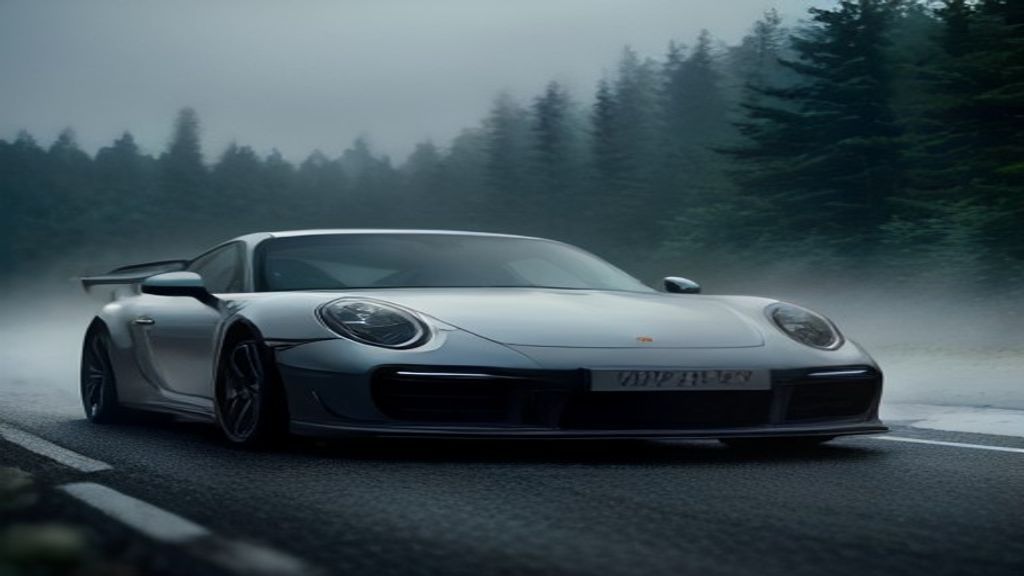
The performance leap between the outgoing 992.1 Turbo S and the new 992.2 T-Hybrid model is immediately apparent on the tarmac. The previous generation produced 640 horsepower and 800 Nm of torque, which was already class-leading. The new system pushes output to 701 horsepower while maintaining that same 800 Nm torque figure, but the delivery is fundamentally different. The electric turbo assist fills the low-end power band, making the car feel significantly more responsive in city traffic and on mountain roads. Acceleration metrics have improved across the board. The new model hits 60 mph in just 2.4 seconds according to independent track testing, which shaves a noticeable margin off the previous generation's times. Top speed remains capped at 200 mph, but the mid-range acceleration feels sharper and more linear. The transmission has also been recalibrated to handle the additional electric torque, with faster shift times and improved clutch engagement. These are not minor tweaks. They represent a complete recalibration of how the powertrain manages energy flow and mechanical stress.
Head-to-Head: 911 Turbo S vs. 918 Spyder
Placing the new Turbo S against the legendary 918 Spyder might seem like an apples-to-oranges comparison, but the numbers tell a compelling story. The 918 was Porsche's first foray into high-performance hybridization
EV vs Fuel Cost Savings Calculator
Download the Free 2026 Car Buying & EV Checklist
Avoid expensive dealership markups and EV battery pitfalls with our verified 15-point inspection checklist.
Instant digital access. No spam, unsubscribe anytime.


Comments
Be the first to comment on this article.
Leave a comment