
McLaren 750S: Performance, Specifications & Ownership Guide 2026
Key Takeaways & Executive Summary
Complete guide to the McLaren 750S: twin-turbo V8 performance, aerodynamic engineering, carbon fiber construction, and what makes this 740-horsepower superca...
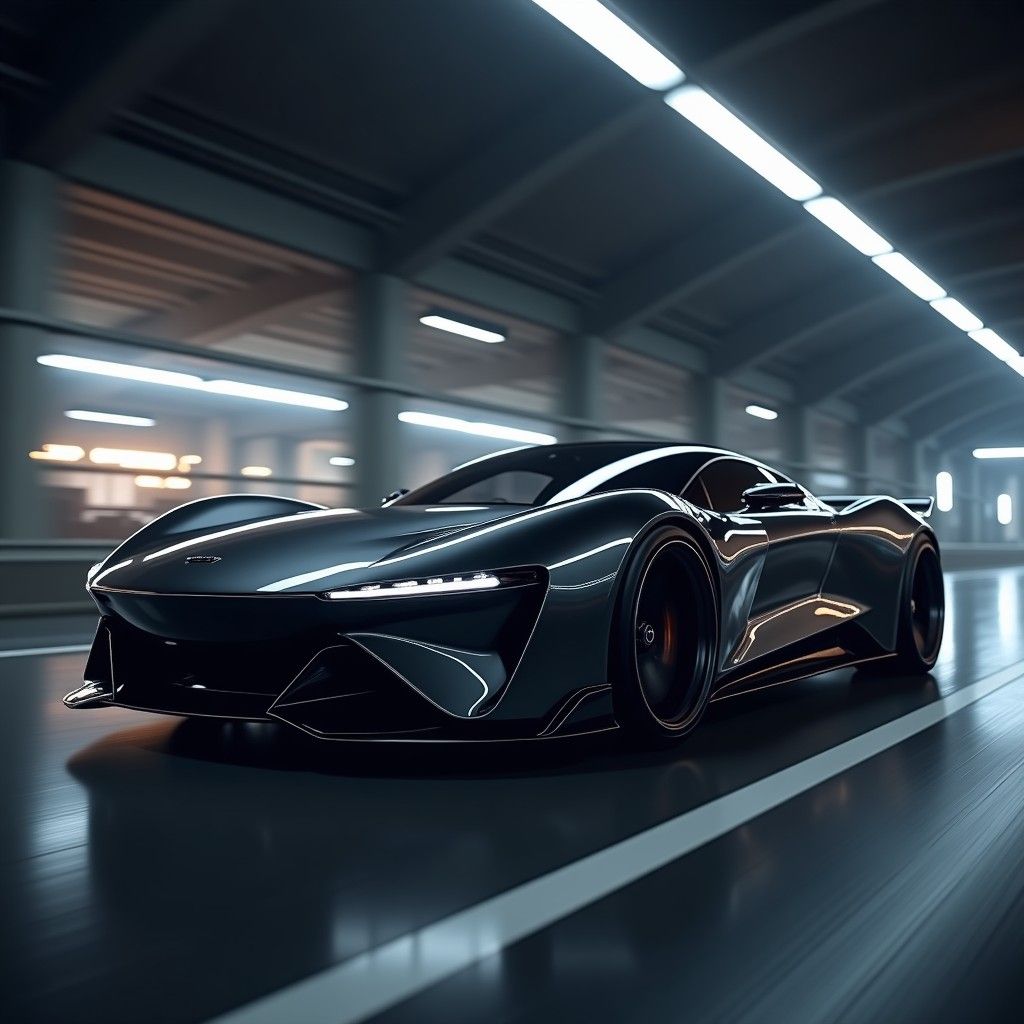
The McLaren 750S represents the British marque's most refined expression of the Sports Series philosophy, distilling three decades of Formula 1-derived engineering into a road car that delivers genuinely extraordinary performance without demanding professional racing skills from its drivers. Launched in 2023 as a direct successor to the 720S, the 750S incorporates over 30 new components while retaining the award-winning M840T twin-turbocharged 4.0-liter V8 engine that has powered McLaren's core lineup since 2014. According to McLaren's official performance data, the 750S produces 740 PS (729 horsepower) at 7,500 rpm and 800 Newton-meters of torque from 3,000 rpm, enabling a 0-100 km/h time of 2.8 seconds and a 0-200 km/h time of 7.2 seconds. The top speed of 332 km/h (206 mph) places it in exclusive company among non-track-focused production cars. Understanding the engineering choices behind these numbers reveals why the 750S achieves them with a kerb weight of just 1,277 kilograms, a figure that defines the McLaren philosophy of achieving performance through weight reduction rather than simply adding power.
Engine and Powertrain Engineering
The M840T engine represents a continuation and refinement of a platform that has accumulated over 500,000 hours of combined real-world testing since its 2014 introduction. The twin-turbocharger arrangement with turbos mounted in the hot-V configuration between the cylinder banks minimizes turbo lag by reducing exhaust gas path length from the cylinder head to the turbine wheel. This configuration enables the engine to build boost pressure within 0.8 seconds of throttle application at motorway speeds, delivering a sensation of power delivery closer to a naturally aspirated engine than typical turbocharged alternatives. The seven-speed dual-clutch transmission shifts in 150 milliseconds in Race mode, a figure that is imperceptible as a pause between gear changes and enables the driver to maintain momentum through corners more effectively than manual alternatives. Launch control manages wheelspin across all surfaces by modulating engine torque output while allowing maximum tire loading, enabling the 2.8-second 0-100 km/h figure regardless of driver skill level.
Aerodynamic Development and Downforce
The 750S incorporates active aerodynamic elements that generate meaningful downforce at road-legal speeds without creating the visual aggression that defines dedicated track-focused vehicles. The active rear wing deploys at speeds above 80 km/h in Sport and Track modes, generating 20 percent more downforce at 250 km/h compared to the 720S. A new front bumper design with enlarged lower intakes increases brake cooling airflow by 25 percent, enabling the carbon-ceramic brake system to maintain consistent stopping power across extended high-speed runs without brake fade. The dihedral doors that define McLaren's visual identity serve an aerodynamic function by channeling airflow into the rear radiators more efficiently than conventional door designs, reducing the aerodynamic drag penalty of side-mounted cooling. Combined aerodynamic and powertrain improvements enable the 750S to complete McLaren's own test track 0.5 seconds faster per lap than the 720S it replaces, a meaningful improvement on a circuit where hundredths of seconds typically separate competitors.
Carbon Fiber Monocoque Construction
The MonoCell II-T carbon fiber monocoque chassis that forms the structural core of the 750S weighs 75 kilograms while providing torsional rigidity of 40,000 Newton-meters per degree, a stiffness figure that exceeds many dedicated racing car chassis. This construction methodology, derived directly from McLaren's Formula 1 experience, enables the entire vehicle to flex as a calibrated system rather than as a collection of individual components resisting each other's movement. The monocoque's high strength-to-weight ratio enables McLaren's engineers to specify lightweight aluminum double-wishbone suspension geometry with Proactive Chassis Control II adaptive dampers without needing to reinforce the attachment points with additional steel brackets. Carbon fiber body panels including the front bumper, hood, and rear bumper save approximately 15 kilograms compared to equivalent aluminum construction, directly contributing to the 1,277-kilogram kerb weight that enables the 750S's performance numbers. Owners should note that carbon fiber requires UV protection to prevent resin degradation under intense sunlight, making garage storage preferable for vehicles not regularly used.
Driver Interface and Technology
The 750S cockpit prioritizes driver engagement through minimal electronic mediation between inputs and vehicle response, reflecting McLaren's philosophy that technology should amplify driver skill rather than substitute for it. The Active Dynamics Panel provides three powertrain modes (Comfort, Sport, Track) and three handling modes, enabling 9 unique combinations of throttle response, transmission shift speed, stability control intervention, and suspension damping. A 8-inch central infotainment touchscreen runs McLaren's proprietary IRIS system, providing navigation, audio, and vehicle settings without the visual complexity that characterizes competitor systems. The Bowers and Wilkins 12-speaker audio system delivers 1,280 watts through a speaker arrangement optimized for the tight cockpit dimensions, providing audio quality that audiophile owners report as genuinely exceptional during road use. Carbon fiber sports seats weighing 10.5 kilograms each provide 6-way manual adjustment with memory, enabling rapid return to preferred positioning after passenger use without electronic motors adding weight.
Further Reading
- McLaren Official 750S Product Page
- Car and Driver: McLaren 750S Review
- Evo Magazine: McLaren 750S Full Review
- Motor Trend: McLaren 750S First Drive
EV vs Fuel Cost Savings Calculator
Download the Free 2026 Car Buying & EV Checklist
Avoid expensive dealership markups and EV battery pitfalls with our verified 15-point inspection checklist.
Instant digital access. No spam, unsubscribe anytime.

Comments
Be the first to comment on this article.
Leave a comment