How Supercars Stay Stable at 300+ km/h: Active Aero & Downforce (2026)
At 300 km/h, aerodynamic forces are 9x greater than at 100 km/h, making active systems critical for stability. Modern su...
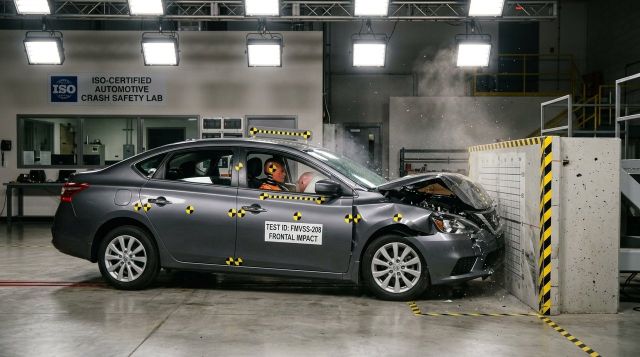
This master guide breaks down the science behind modern crash testing, revealing that over 1,200 crash‑test dummies are ...
Software-defined vehicles (SDVs) decouple hardware from functionality, allowing cars to gain new features via over-the-a...
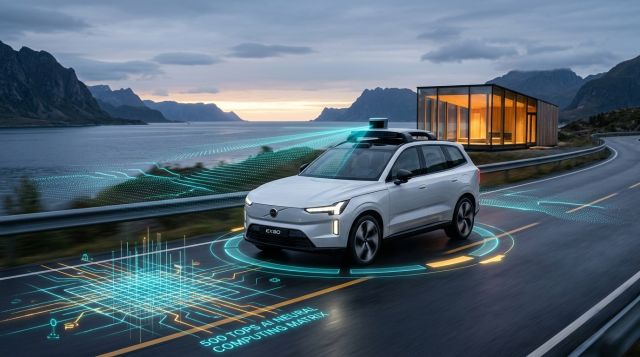
Autonomous vehicles rely on a sensor fusion triad of LiDAR, radar, and cameras to achieve 360-degree environmental aware...
In 2026 AI powers cars to predict failures 30% earlier, monitor driver alertness with 98% accuracy, and enable voice‑fir...
Active aerodynamics transforms static car parts into dynamic performance tools, adjusting in real-time to speed and brak...
Modern vehicles use ECU mapping to adjust throttle response, shift points, and steering torque across four primary modes...
48V mild-hybrid systems bridge the gap between traditional combustion and full electrification, offering a 15-20% reduct...
Engine downsizing replaces large naturally aspirated engines with smaller turbocharged units, typically reducing displac...
This guide decodes the SAE J3016 standards, clarifying that Level 2 remains the market leader with partial automation, w...