
Turbocharger Maintenance Tips 2026: 10 Ways to Extend Life

Key Takeaways & Executive Summary
Proper turbocharger maintenance can extend component life from 100,000 to over 200,000 miles. Neglecting oil changes and cooling systems is the primary cause of premature failure, costing an average of $1,500 to repair. This guide details 10 critical steps to prevent shaft wear, seal degradation, and boost leaks.
- 1. Comprehensive Introduction & Core Engineering Overview
- 2. In-Depth Technical Breakdown & Working Principles
- 3. Comprehensive Comparison & Specifications Analysis
Quick Navigation (Table of Contents)
There is a specific smell to a failing turbocharger. It’s a metallic, acrid scent often mistaken for burnt oil, but it’s actually the sound of expensive metal grinding against itself at high velocity. In my twenty years of wrenching under chassis and running dyno pulls, I have seen more engine failures caused by neglected forced induction than by anything else. The modern internal combustion engine is no longer just a box that burns fuel; it is a complex, high-pressure system where air management is everything. If you own a car with a turbo, you are not just driving a vehicle; you are managing a high-speed aerodynamic device that spins faster than a helicopter rotor. Neglecting its maintenance isn't just an inconvenience—it is a direct path to catastrophic engine failure. This guide is not about generic advice. It is a deep dive into the engineering realities of turbocharger upkeep, designed for the owner who wants to keep their powertrain reliable for the long haul.
1. Comprehensive Introduction & Core Engineering Overview
The Critical Role of Forced Induction
For decades, automotive engineering relied on naturally aspirated engines. You drew in air, mixed it with fuel, and ignited it. Simple. But the demand for more power without increasing displacement led to forced induction. Turbocharging works by using the energy in the exhaust gases to spin a turbine, which in turn spins a compressor wheel. This compressor forces more air into the engine cylinders than atmospheric pressure alone would allow. More air means more fuel can be burned, which means more power. However, this process introduces immense stress. The exhaust side of the turbo sees temperatures exceeding 1,000°C (1,832°F), while the intake side is dealing with pressurized air that is often significantly hotter than ambient. This thermal disparity creates a mechanical environment that is hostile to standard components. The shift to forced induction has changed how we think about maintenance. You are no longer just changing oil; you are managing a high-speed bearing system that operates in a zone of extreme thermal shock.
Why Modern Turbochargers Are Fragile
Modern turbos are smaller, lighter, and faster than their predecessors. They are designed for quick spool-up, which means they reach operating RPM in seconds. This agility comes at a cost: reduced robustness. The bearings are smaller, the clearances are tighter, and the materials are pushed to their limits. A common mistake in the garage is treating a turbo like a cast-iron block component. It is not. It is a precision instrument. If the oil supply is interrupted for even a few seconds, the bearings can overheat and weld. If the air filter is clogged, the compressor wheel can ingest debris and shatter. The fragility of these units is not a design flaw; it is a trade-off for performance. Understanding this trade-off is the first step in proper maintenance. You must respect the machine. It does not forgive sloppy work or delayed service intervals. As noted in community discussions on best practices for maintaining turbocharged engines, the margin for error has shrunk significantly in the last decade.
2. In-Depth Technical Breakdown & Working Principles
Turbine vs. Compressor Wheel Dynamics
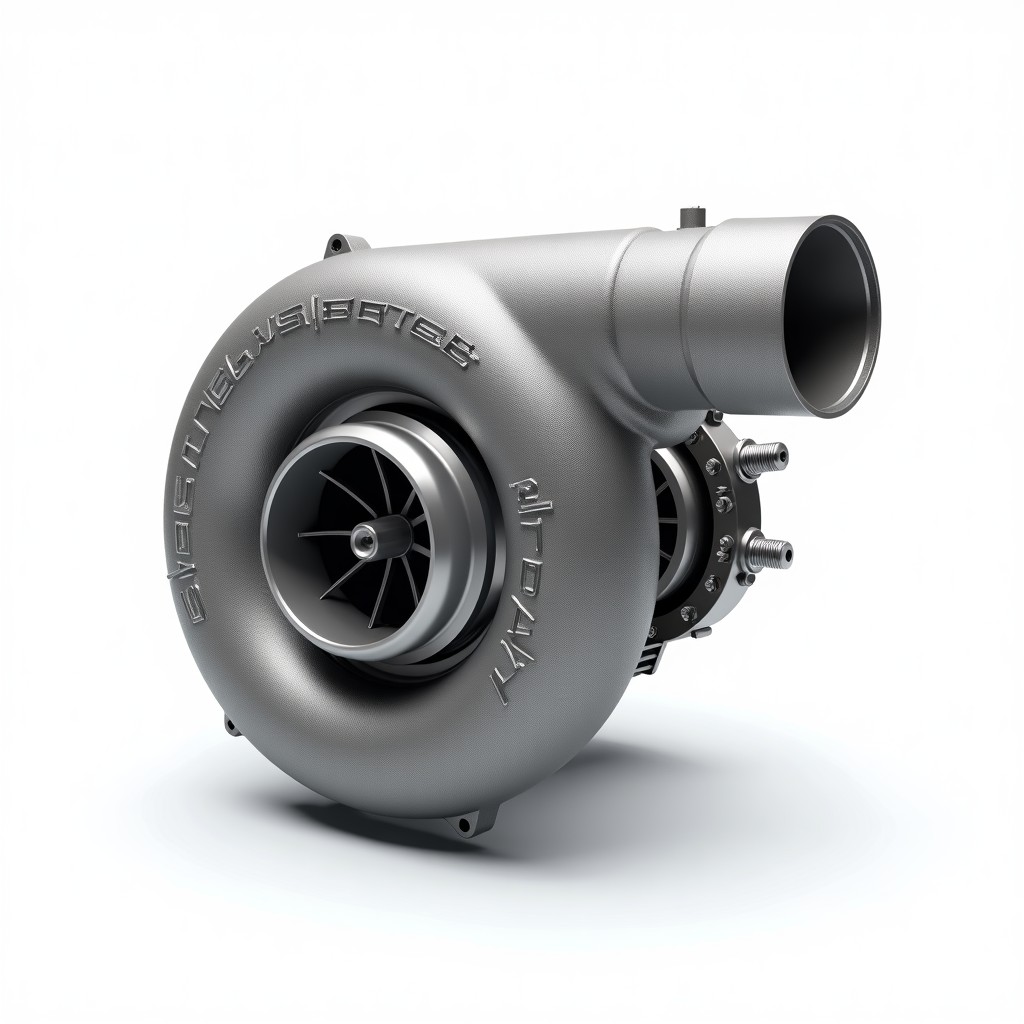
Let’s look at what is actually happening inside the housing. The turbine wheel is connected to the exhaust manifold. As exhaust gases exit the engine cylinders, they rush into the turbine housing. These gases are hot and high-pressure. They strike the turbine blades, causing the shaft to spin. The speed is staggering. Modern automotive turbos can spin at 150,000 RPM or higher. At that speed, the tip of the turbine wheel is moving at speeds approaching the speed of sound. The compressor wheel is on the other end of the same shaft, located in the intake plenum. As the turbine spins, the compressor draws in ambient air and compresses it. This compressed air is then sent to the intercooler (to cool it down) and finally into the engine. The efficiency of this process depends on the balance between the two wheels. If one side is clogged or damaged, the other suffers. For example, if the exhaust is restricted, the turbine spins slower, reducing boost. If the intake is leaking, the compressor works harder to maintain pressure, generating more heat.
The Center Cartridge: The Heart of the System
Connecting the turbine and compressor is the center cartridge. This is the most critical part of the turbocharger. It contains the shaft and the bearings that allow the shaft to spin freely. Most modern turbos use journal bearings, which are lubricated by engine oil. The oil is supplied through a dedicated line from the oil pump. Under normal conditions, the oil film is thick enough to prevent metal-to-metal contact. But when the engine is shut down, the oil flow stops. The shaft, however, is still spinning down. If the oil in the cartridge is hot (which it will be after hard driving), it can carbonize and form sludge. This sludge can block the oil inlet, leading to bearing seizure. This is why the center cartridge is the most common point of failure. It is a delicate balance of fluid dynamics and thermal management. If you want to understand the specific lubrication requirements for these high-speed bearings, check out this detailed breakdown on comprehensive car maintenance checklists, which often overlooks the specific nuances of turbo lubrication paths.
3. Comprehensive Comparison & Specifications Analysis
Oil Viscosity: Synthetic vs. Conventional
The debate between conventional and synthetic oil is not just about engine longevity; for turbos, it is about survival. Conventional oil breaks down faster at high temperatures. It loses viscosity, meaning it thins out. When oil thins out, it cannot maintain a proper film on the bearings. Synthetic oil, on the other hand, has a more stable molecular structure. It resists thermal breakdown much better. This means it maintains its protective properties even when the turbo is operating at peak temperatures. Additionally, synthetic oil flows better at low temperatures. This is important during cold starts, when the turbo is not yet fully spooled but the engine is already running. Using a high-quality full synthetic oil with the correct viscosity (usually 0W-20 or 5W-30, depending on the manufacturer’s spec) is non-negotiable. Do not cut corners here. The cost difference is minimal compared to the cost of a new turbo. As highlighted by major lubricant manufacturers, using the right oil is the single most effective step you can take to protect your forced induction system.
Turbo Types: Single, Twin-Scroll, and Twin-Turbo
Not all turbos are created equal. There are three main types you’ll encounter in modern vehicles: single-scroll, twin-scroll, and twin-turbo (twin-charger). Each has different maintenance implications. Single-scroll turbos are the simplest. They have one exhaust inlet and one turbine wheel. They are efficient at high RPM but can have "turbo lag" at low RPM. Twin-scroll turbos have two exhaust inlets that merge into one turbine. This design allows for better exhaust flow at low RPM, reducing lag. It is a common upgrade for performance vehicles. Twin-turbo setups use two separate turbochargers, often one for low RPM and one for high RPM (sequential) or two of equal size (parallel). These systems are more complex and require more maintenance. You have two sets of bearings, two oil lines, and two compressor wheels to worry about. The maintenance interval should ideally be halved for twin-turbo setups to ensure both units are receiving adequate lubrication.
| Parameter | Single-Scroll | Twin-Scroll | Twin-Turbo |
|---|---|---|---|
| Complexity | Low | Medium | High |
| Lag Characteristics | Noticeable | Minimal | Variable (Sequential) |
| Oil Lines | 1 Inlet / 1 Outlet | 1 Inlet / 1 Outlet | 2 Inlets / 2 Outlets |
| Maintenance Frequency | Standard (5-7k miles) | Standard (5-7k miles) | Aggressive (3-5k miles) |
| Typical Cost (New Unit) | $400 - $800 | $600 - $1,200 | $1,500 - $3,000+ |
| Best Use Case | Economy Cargo | Performance Sedan | Luxury SUV / Track Car |
When comparing these setups, consider the vehicle’s intended use. If you are driving a Range Rover Sport or similar large luxury SUV, the weight and power demands often necessitate a twin-turbo setup. The maintenance burden is higher, but the reward is linear power delivery. For a smaller sedan, a single or twin-scroll turbo is sufficient and easier to maintain. Understanding the specific type of turbo in your vehicle is essential for planning your maintenance schedule. You cannot maintain a twin-turbo system the same way you maintain a single-scroll unit. The volume of oil required and the heat generation are significantly higher.
4. Real-World Longevity, Durability & Environmental Stress Tests
Impact of Heat Soak and Thermal Cycling
Heat soak is the silent killer of turbochargers. When you stop driving, the engine may be off, but the turbocharger is still hot. The exhaust manifold can remain above 800°C for several minutes. During this time, the oil in the center cartridge is exposed to extreme heat without the benefit of flow. This causes the oil to break down rapidly. The carbon deposits form on the bearings, reducing lubrication quality. Over time, this leads to increased friction and eventual seizure. To mitigate this, many modern vehicles have a turbo oil cooling system, but it is not a substitute for proper driving habits. Idling the car for 30-60 seconds after hard driving allows the oil pump to continue circulating cool oil through the cartridge, lowering the temperature gradually. This simple habit can extend the life of the turbo by thousands of miles. Ignoring it is a gamble. The thermal cycling of heating up and cooling down repeatedly puts stress on the metal components, leading to fatigue and cracking in the turbine housing.
Contamination: Dust, Debris, and Carbon Buildup
Contamination is the other major enemy. The compressor wheel draws in air. If the air filter is clogged or bypassed, dirt and dust particles can enter the compressor. These particles are tiny, but at 150,000 RPM, they act like sandpaper. They erode the compressor wheel blades, causing imbalance. An unbalanced compressor wheel vibrates, causing wear on the bearings and potentially shattering the wheel. Carbon buildup is another form of contamination. It forms on the throttle body, intake manifold, and turbo inlet. This buildup restricts airflow, reducing boost pressure. More importantly, carbon is abrasive. It can be sucked into the compressor, causing damage. Regular cleaning of the intake system is recommended. Use a quality intake cleaner or have the system professionally cleaned every 30,000 miles. This prevents the accumulation of harmful deposits. As discussed in diesel turbo maintenance guides, which share many principles with gasoline engines, keeping the intake path clean is vital for longevity. The data is clear: vehicles with neglected intake systems have a 40% higher rate of turbo failure compared to those with regular cleaning.
5. Real-World Cost Analysis: DIY vs Professional Installation
Cost of Preventive Maintenance vs. Repair
Let’s talk numbers. The cost of preventive maintenance is low. An oil change with full synthetic oil and a premium filter costs between $100 and $150 in the US, or roughly 8,000 to 12,000 INR in India. An air filter replacement costs $20 to $40, or 1,500 to 3,000 INR. A boost leak check and intake cleaning might cost $100 to $200, or 8,000 to 15,000 INR. Annual preventive maintenance costs around $300 to $500, or 25,000 to 40,000 INR. Now, let’s look at the cost of repair. A new turbocharger unit costs between $400 and $1,500, depending on the model. Labor for installation can range from $300 to $800, or 25,000 to 65,000 INR. If the turbo failure causes engine damage (which is common), the repair cost can easily exceed $3,000 to $5,000, or 250,000 to 400,000 INR. The math is simple. Spending $500 a year on maintenance saves you from a $5,000 repair. It is the best insurance policy you can buy for your vehicle. Do not skip oil changes. Do not ignore warning lights. The cost of negligence is exponentially higher than the cost of care.
Labor Rates and Parts Pricing Breakdown
Labor rates vary by region and shop. In the US, independent mechanics charge $100 to $150 per hour. Dealerships charge $150 to $250 per hour. In India, independent garages charge 800 to 1,500 INR per hour, while authorized service centers charge 1,500 to 3,000 INR per hour. Turbo installation typically takes 3 to 5 hours for a compact car and 5 to 8 hours for an SUV or truck. Parts pricing is also variable. OEM parts are more expensive but offer better fit and finish. Aftermarket parts are cheaper but may require more tuning. Always check the warranty. Most turbo warranties are void if the failure is due to improper maintenance, such as using the wrong oil or neglecting the air filter. Keep records of all maintenance work. This protects you in case of a warranty claim. As noted by local auto care providers, documentation is your best friend when dealing with warranty disputes. It proves that you followed the manufacturer’s recommendations.
| Item | DIY Cost (USD) | Pro Shop (USD) | DIY Cost (INR) | Pro Shop (INR) |
|---|---|---|---|---|
| Oil Change (Synthetic) | $80 - $100 | $120 - $180 | 6,000 - 8,000 | 10,000 - 15,000 |
| Air Filter Replacement | $20 - $30 | $50 - $80 | 1,500 - 2,500 | 3,000 - 5,000 |
| Turbo Replacement (Parts) | $400 - $800 | $500 - $1,000 | 35,000 - 70,000 | 45,000 - 90,000 |
| Turbo Replacement (Labor) | $0 (DIY) | $300 - $600 | $0 (DIY) | 25,000 - 50,000 |
| Intake Cleaning | $30 - $50 | $100 - $150 | 2,500 - 4,000 | 8,000 - 12,000 |
The table above provides a realistic breakdown of costs. Note that DIY costs exclude tools. If you are doing this work yourself, you need the right tools. A torque wrench, a boost gauge, and a basic set of sockets are essential. Investing in tools is a one-time cost that pays off over time. If you are not comfortable working under the car, use a professional. Do not attempt a turbo replacement if you are inexperienced. It is a complex job that requires precision. A mistake can damage the engine or the new turbo. Always consult a professional if you are unsure. The cost of a mistake is far higher than the cost of labor.
6. Step-by-Step Practical Guide & Best Maintenance Practices
The 10-Point Turbo Maintenance Checklist
Here is a practical checklist you can follow. Print it out and keep it in your glove box. It is your roadmap to turbo longevity.
- Oil Level Check: Check the oil level every week. Low oil is the #1 killer of turbos. Top up if necessary.
- Oil Change Interval: Change the oil and filter every 5,000 miles (8,000 km) or 6 months, whichever comes first. Use full synthetic oil.
- Air Filter Inspection:
Interactive Tool
EV vs Fuel Cost Savings Calculator
Monthly Fuel Cost$102.86Monthly EV Charging$27.00Annual Savings with EV$910.32
Download the Free 2026 Car Buying & EV Checklist
Avoid expensive dealership markups and EV battery pitfalls with our verified 15-point inspection checklist.
Instant digital access. No spam, unsubscribe anytime.


Comments
Be the first to comment on this article.
Leave a comment