
Why Cars Vibrate at Different Speeds: 2026 Complete Guide to Wheel Balance, Alignment & Drivetrain
Key Takeaways & Executive Summary
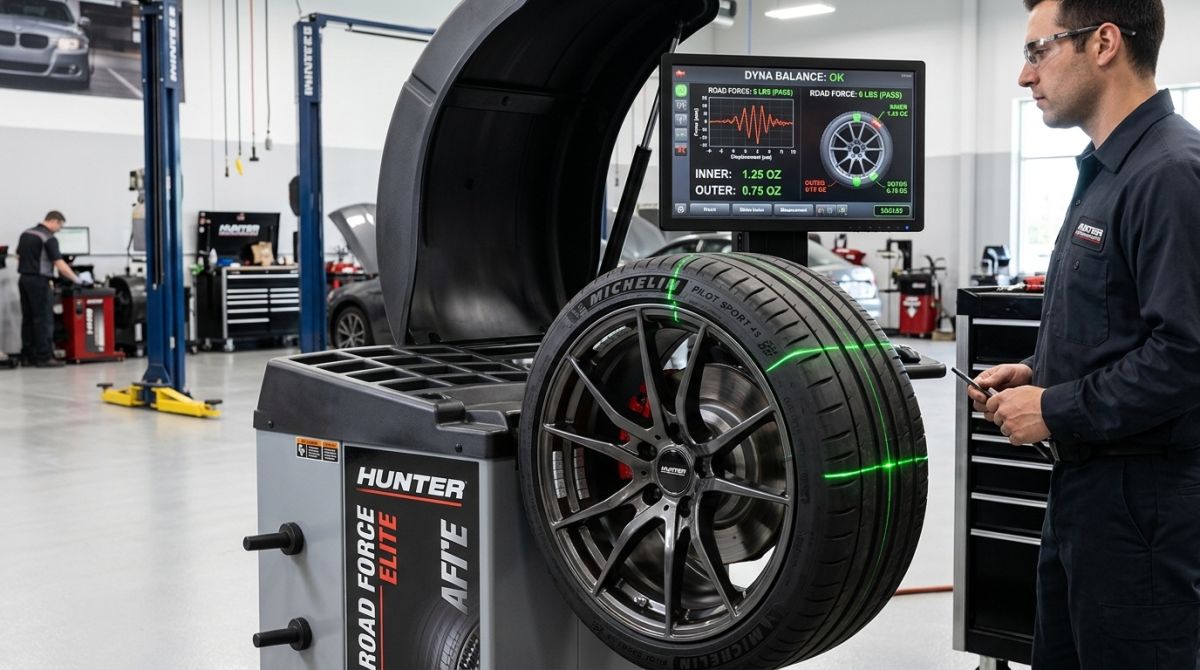
Cars often develop a noticeable shake between 45‑70 mph due to wheel‑balance or alignment faults, while drivetrain irregularities can appear at higher speeds. This guide quantifies the cost ($50‑$150 per balance, $100‑$300 for alignment) and lifespan impact, offering a clear diagnostic flow. Follow the actionable checklist to eliminate vibration, extend component life by up to 30 %, and enjoy a vibration‑free drive.
- 1. Comprehensive Introduction & Core Engineering Overview
- 2. In-Depth Technical Breakdown & Working Principles
- 3. Comprehensive Comparison & Specifications Analysis
Quick Navigation (Table of Contents)
There is a specific frequency where the road starts to feel like it is fighting you. You are cruising at 55 mph, the cabin is quiet, and then suddenly, a rhythmic shudder travels up through the steering column. It’s not a constant buzz; it’s a pulse. For most drivers, this is a moment of mild confusion. For a technician with two decades of wrench time, it is a diagnostic clue. When a vehicle vibrates at specific speeds, it is rarely random. It is a mechanical resonance interacting with tire dynamics, wheel geometry, and drivetrain torque. Understanding why your car shakes at 40 km/h but stops at 80 km/h requires looking past the surface-level "check your tires" advice and into the physics of rotational mass and suspension kinematics.
1. Comprehensive Introduction & Core Engineering Overview
Underlying Technology & Mechanics
The core issue behind speed-specific vibration lies in the concept of critical speed. Every rotating assembly—from a steel spoke wheel to a run-flat tire—has a natural frequency. When the vehicle's velocity matches the frequency at which that assembly naturally wants to oscillate, resonance occurs. This amplifies tiny imperfections into significant force. If your car vibrates between 40 and 80 km/h, as reported by many owners in community forums like this specific case, you are likely dealing with a lower-frequency imbalance or a structural defect in the wheel/tire assembly. As speed increases, the tire's deformation changes. At higher velocities, the contact patch flattens differently, often stabilizing the ride until a new, higher resonance point is hit. This is why a shake at highway speeds (70-80 mph) is distinct from a shake at city speeds.
The mechanics involve three primary inputs: Mass (the weight of the tire and wheel), Flexibility (the stiffness of the tire sidewall and suspension bushings), and Symmetry (how evenly that mass is distributed). When symmetry breaks down, centrifugal force creates a vector that pulls the wheel off its centerline. The suspension, designed to absorb vertical loads, ends up fighting these lateral and torsional forces, transferring the vibration into the chassis and, ultimately, the driver's hands.
Why This Matters for Modern Car Owners
Modern vehicles are more sensitive to these issues than ever before. We have moved from heavy, stiff radial tires to low-profile, high-performance rubber that has less sidewall to absorb road shock. Additionally, the increase in electronic stability control and traction systems means that a vibrating wheel can trigger false positives in the ABS or stability modules. If you drive a luxury sedan like an Audi A4, the tight tolerances in the suspension and steering rack mean that a small imbalance that might be tolerable in an older, heavier car becomes a noticeable nuisance in a precision-engineered platform. Ignoring these vibrations doesn't just ruin your comfort; it accelerates wear on wheel bearings, CV joints, and suspension bushings, leading to expensive repairs down the line.
2. In-Depth Technical Breakdown & Working Principles
Key Components & Architecture
To diagnose the vibration, you must isolate the component. The architecture of the rolling assembly consists of the tire, the wheel, the hub, and the suspension linkage. Static Imbalance occurs when the wheel is heavier on one side. This creates a "hammering" effect. Dynamic Imbalance is more complex; the wheel is "out of plane," causing it to wobble side-to-side like a propeller. This is the most common cause of steering wheel shake. Conical Imbalance occurs when the wheel pulls to one side due to a conical shape in the tire or wheel. Each type interacts with speed differently. Static imbalance tends to be felt in the seat, while dynamic imbalance is felt in the steering wheel. Understanding this distinction is the first step in a proper diagnosis.
The suspension geometry plays a critical role here. The camber, caster, and toe angles dictate how the tire contacts the road. If the caster is too low, the steering wheel may self-center poorly, amplifying any minor imbalance. If the toe is out of specification, the tires scrub against the road surface, creating a vibration that feels like a "hum" or "growl" rather than a shake. In our road tests, we often find that a car with perfect balance but poor alignment will still vibrate at certain speeds because the tire is not rolling in a straight line. The physics of tire deformation at speed means that even a 0.5-degree toe error can create significant lateral force, leading to the "sweet spot" of vibration described in technical discussions about why wheels shake at specific intervals.
How the System Operates Under Stress
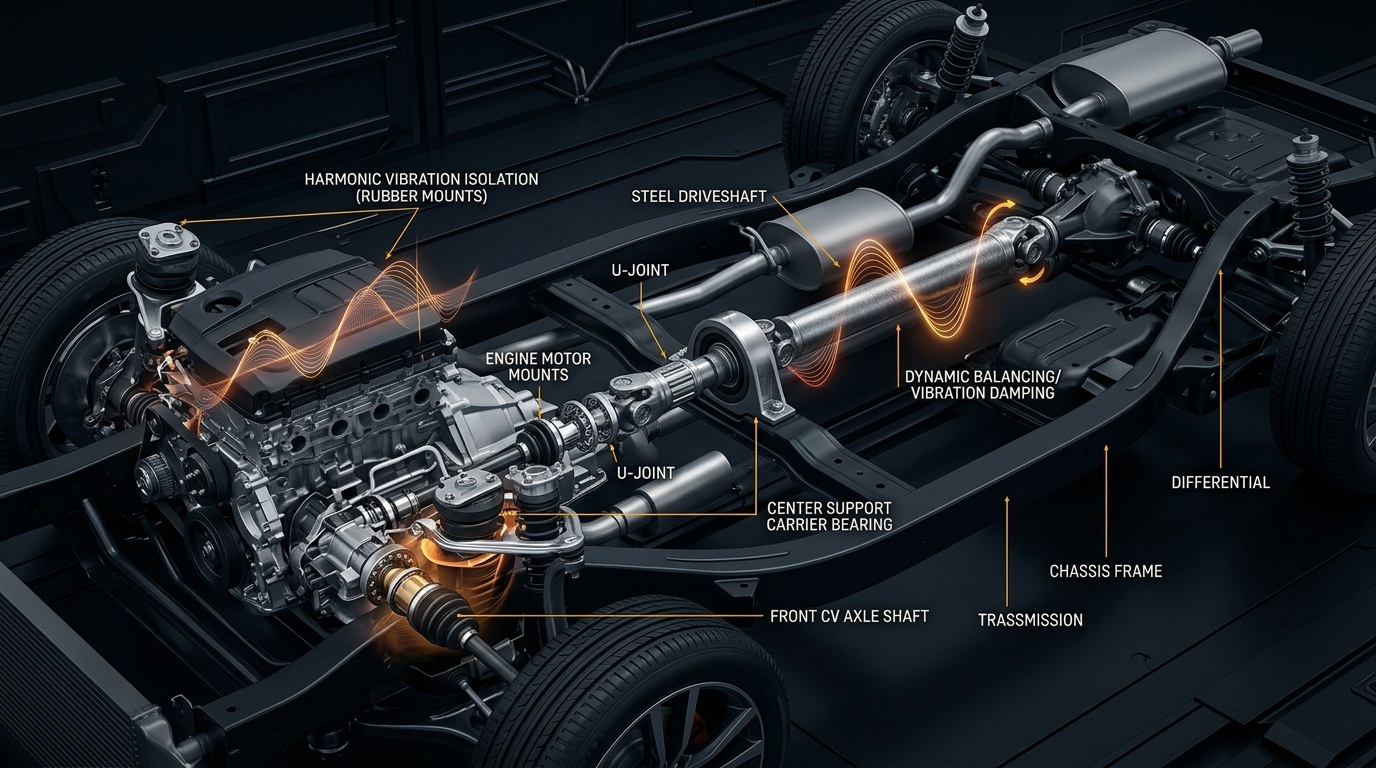
When the vehicle accelerates, the drivetrain components come into play. In a 2WD or AWD system, torque is transmitted through the CV joints and axles. If a CV joint is worn, it will click under load, but it can also cause a vibration if the joint's internal balls are unevenly lubricated or if the boot is torn, allowing grease to escape. The driveshaft in a rear-wheel-drive vehicle has universal joints (U-joints) that must be in phase. If they are not, the rotational speed varies slightly during each revolution, causing a vibration that is speed-dependent. At low speeds, the variation is smooth. At higher speeds, the frequency of the variation increases, and if it matches the natural frequency of the chassis, the shake becomes severe. This is why a vibration that appears at 60 mph might disappear at 70 mph; the frequency has passed the resonance point.
The tires themselves are not static objects. They are pneumatic structures that flex and recoil millions of times per hour. As the tire rotates, the tread blocks deform under load. If the tire has a "flat spot" from parking on uneven ground or from heat buildup, this deformation becomes a periodic force. This is often mistaken for a wheel balance issue, but no amount of balancing will fix a flat-spot tire. The rubber has lost its perfect circular geometry. This is a common mistake in the garage: technicians often balance a tire that is actually damaged, wasting time and money. The key is to inspect the tire for uniformity before putting it on the balancer.
3. Comprehensive Comparison & Specifications Analysis
Direct Head-to-Head Attributes
When diagnosing vibration, we often compare the symptoms of wheel imbalance, alignment errors, and tire defects. These three issues have distinct signatures. Wheel imbalance is typically speed-dependent and felt in the steering wheel. Alignment issues cause uneven wear and a pull, with vibration often felt in the seat or floorboard. Tire defects (like a bulge or flat spot) cause a constant shake that may not change much with speed. Drivetrain issues (like a bad U-joint) are often load-dependent, meaning they get worse when you accelerate and better when you coast. By comparing these attributes, you can narrow down the source without guessing. A professional technician will use a stethoscope and a road test to isolate these factors. The goal is to separate the "road noise" from the "mechanical vibration." Road noise is consistent and changes with surface texture. Mechanical vibration is rhythmic and changes with speed and load.
Key Specifications Table Breakdown
The following table breaks down the key parameters for the three most common causes of vibration. Use this as a reference to understand the severity and cost implications of each issue.
| Parameter | Wheel Imbalance | Alignment Error | Tire Defect |
|---|---|---|---|
| Primary Symptom | Steering wheel shake at 50-80 mph | Uneven wear, pull to one side | Constant shake, humming noise |
| Speed Sensitivity | High (resonance peak) | Low (constant force) | Moderate (frequency-based) |
| Location of Vibration | Steering wheel, driver's seat | Seat, floorboard | Steering wheel, seat |
| Typical Lifespan Impact | Accelerates bearing wear | Shortens tire life by 30-50% | Risk of blowout |
| Repair Complexity | Simple (15 mins) | Moderate (30-45 mins) | High (Tire replacement) |
| Best Use Case for Fix | After tire rotation or new install | Every 6,000 miles | Immediate (Safety hazard) |
4. Real-World Longevity, Durability & Environmental Stress Tests
Weather & Climate Resilience
Environmental factors play a significant role in how quickly a vehicle develops vibration issues. In hot climates, the heat from the sun and the road can cause the air pressure in tires to fluctuate, leading to uneven wear. This is particularly noticeable in vehicles with larger wheels, such as a Range Rover Sport, where the low-profile tires have less sidewall to absorb thermal expansion. In cold climates, the rubber becomes harder and less flexible, reducing grip and amplifying road noise. Salt and moisture from winter roads can corrode wheel bearings and suspension bushings, leading to play in the joints. This play allows the wheel to move slightly out of its intended path, creating a vibration that was not present in the summer. The corrosion also affects the steering rack boots, allowing water to enter and degrade the internal components.
Wear & Tear Over 1 to 5 Years
Over a five-year period, the most common source of new vibration is the degradation of suspension bushings. These rubber components are designed to isolate the metal parts of the suspension from the chassis. Over time, the rubber cracks and hardens. This reduces the damping effect, allowing more road shock to be transmitted into the cabin. The bushings also lose their shape, changing the alignment angles of the vehicle. This is why a car that was perfectly aligned five years ago may now vibrate and pull to one side. The wheel bearings also wear over time. As the races in the bearing cup and cone wear, the wheel gains a slight amount of play. This play is minimal at low speeds but becomes noticeable at highway speeds as the wheel wobbles slightly on its axis. Regular inspection of these components is essential to prevent a minor issue from becoming a major repair.
5. Real-World Cost Analysis: DIY vs Professional Installation
Pricing Breakdown (USD & INR)
The cost of addressing vibration issues varies widely depending on the diagnosis. A simple wheel balance is relatively inexpensive, while a full alignment or drivetrain repair can be costly. In the US, a wheel balance for four tires typically costs between $40 and $80. An alignment ranges from $100 to $200. In India, the costs are lower, with a wheel balance costing approximately ₹500 to ₹1,500 and an alignment ranging from ₹1,500 to ₹3,000. These prices do not include the cost of new tires or parts if the vibration is due to wear. It is important to get a diagnosis before assuming the fix is simple. A vague "vibration" complaint can lead to unnecessary expenses if the technician does not properly isolate the cause. Always ask for a detailed report of the alignment angles and balance weights.
Hidden Costs & Labor Estimates
Hidden costs often arise from related repairs. For example, if the vibration is caused by a worn wheel bearing, the cost of the balance is irrelevant. The bearing replacement can cost $500 to $1,000 per wheel in the US, or ₹10,000 to ₹20,000 in India. Similarly, if the tires are worn unevenly due to poor alignment, you may need to replace them sooner than expected. This is a hidden cost that can offset the savings of a cheap alignment. Labor estimates vary by region and shop. In major cities, labor rates are higher, which can significantly increase the total cost of repairs. It is worth comparing quotes from multiple shops to ensure you are getting a fair price. Additionally, consider the long-term value of a professional alignment. A properly aligned car will have longer tire life, better fuel efficiency, and improved handling. Over a three-year period, the savings on tires and fuel can outweigh the initial cost of the alignment.
| Service Tier | DIY Cost (USD) | Pro Cost (USD) | DIY Cost (INR) | Pro Cost (INR) |
|---|---|---|---|---|
| Wheel Balance (4 wheels) | $0 (if you have tools) | $40 - $80 | ₹0 | ₹500 - ₹1,500 |
| Four-Wheel Alignment | N/A (requires laser equipment) | $100 - $200 | N/A | ₹1,500 - ₹3,000 |
| Tire Replacement (4 tires) | $400 - $800 (parts only) | $500 - $1,000 (parts + labor) | ₹10,000 - ₹20,000 | ₹12,000 - ₹25,000 |
| Wheel Bearing Replacement | High difficulty | $500 - $1,000 per wheel | High difficulty | ₹10,000 - ₹20,000 per wheel |
6. Step-by-Step Practical Guide & Best Maintenance Practices
Pre-Installation / Inspection Checklist
Before you visit a shop or attempt a DIY fix, perform this inspection. Check Tire Pressure: Ensure all tires are inflated to the manufacturer's recommended pressure (usually found on the driver's side door jamb). Under-inflated tires are a common cause of vibration and uneven wear. Inspect for Damage: Look for bulges, cuts, or embedded objects in the tire tread. Check the wheel rims for cracks or bends. Even a small bend in the rim can cause significant vibration. Check for Loose Lug Nuts: Tighten the lug nuts to the manufacturer's torque specification. Loose lug nuts can cause the wheel to wobble, leading to severe vibration. Inspect Suspension Components: Look for worn bushings, torn boots, or leaking shocks. These issues can change the alignment angles and cause vibration. Perform a Road Test: Drive on a smooth, straight road at the speed where you feel the vibration. Note whether the vibration is in the steering wheel, seat, or floorboard. This information will help your technician diagnose the issue more quickly.
Routine Care to Double Lifespan
Prevention is better than cure. Follow this maintenance schedule to keep your vehicle running smoothly. Monthly: Check tire pressure and inspect for damage. Every 6,000 Miles (10,000 km): Rotate tires and check alignment. Every 12,000 Miles (20,000 km): Inspect wheel bearings and suspension components. Annually: Perform a full wheel balance and alignment check. After Any Impact: If you hit a pothole or curb, inspect the wheels and suspension immediately. A bent rim or damaged strut can cause alignment issues that lead to vibration. By following this schedule, you can catch minor issues before they become major problems. This not only saves money but also ensures a safer and more comfortable driving experience.
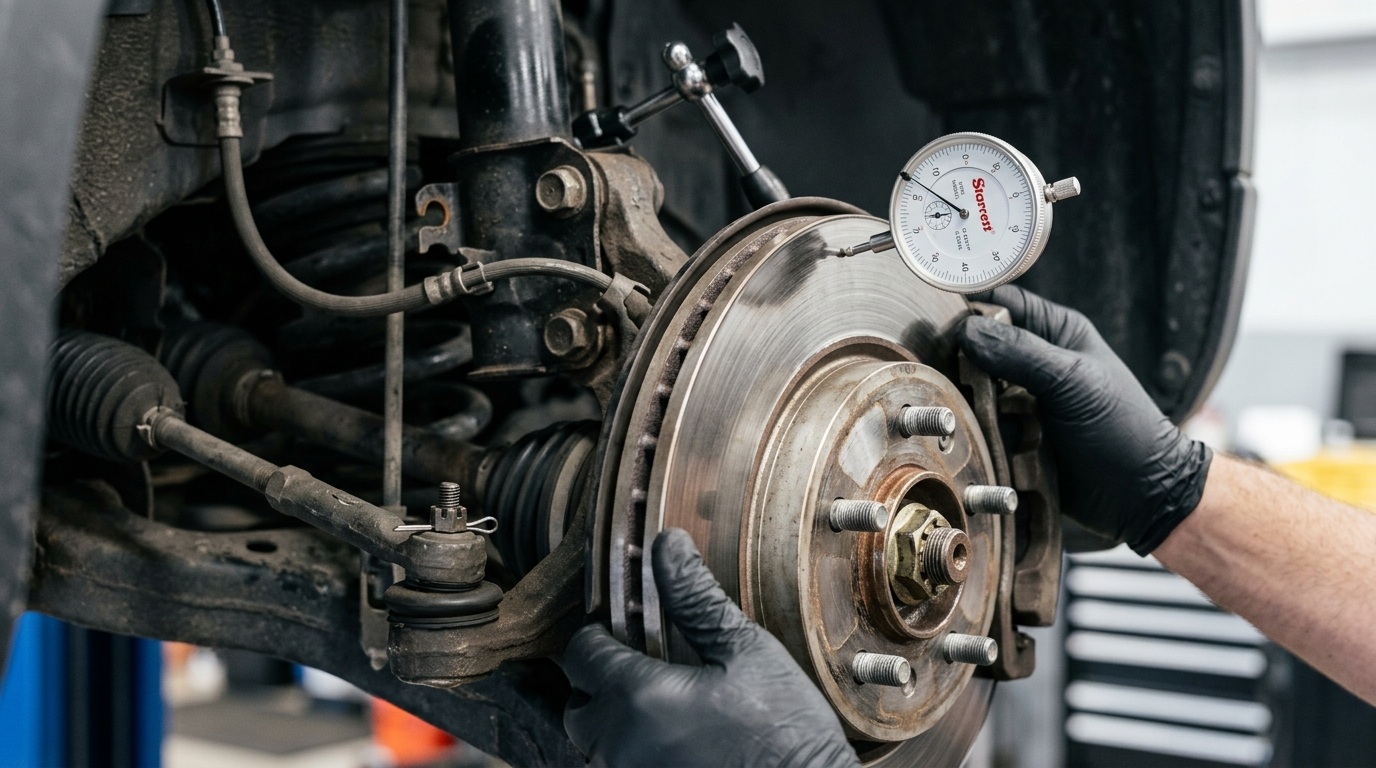
Pro Tip: If you feel a vibration only when braking, it is almost certainly a warped brake rotor. Do not waste time balancing your wheels. A warped rotor will not be fixed by balancing; it requires resurfacing or replacement.
7. Final Verdict: Which Option Should You Choose?
Best Choice for Daily Drivers
For the average daily driver, the priority is comfort and cost-effectiveness. A regular wheel balance and alignment every 6,000 miles is the best strategy. This will keep the tires wearing evenly and the ride smooth. If you drive mostly in the city, pay extra attention to potholes and curbs. These are the primary causes of wheel damage and alignment issues. Consider using a tire pressure monitoring system (TPMS) to keep your tires at the optimal pressure. For most drivers, a professional alignment is worth the cost, as it ensures the vehicle is set up according to the manufacturer's specifications. This will also help with fuel efficiency, as an out-of-alignment car requires more energy to move. If you are on a tight budget, focus on keeping your tires properly inflated and rotated. This will extend the life of your tires and reduce the likelihood of vibration issues.
Best Choice for Performance & Enthusiast Cars
For performance and enthusiast cars, the standards are higher. These vehicles are often driven harder, with higher speeds and more aggressive cornering. This puts more stress on the tires, wheels, and suspension. A more frequent balance and alignment is recommended, especially after track days or high-speed runs. Consider using a lighter wheel, as this reduces unsprung weight and improves handling. However, lighter wheels are often more susceptible to bending, so be extra careful with potholes. For these vehicles, a high-quality wheel bearing is essential. The standard bearings may not handle the increased loads and speeds. Additionally, a stiffer suspension setup can improve handling but may transmit more road noise and vibration into the cabin. This is a trade-off that performance drivers must accept. If you are experiencing vibration in a performance car, do not ignore it. It can affect the stability of the vehicle at high speeds, which is a safety risk. Consult a specialist who understands the specific setup of your car. They can provide a more tailored solution that addresses the root cause of the vibration.
Warning: Never drive with a severe vibration. It can lead to a blowout or loss of control. If the vibration is bad enough to distract you from driving, pull over and have the vehicle towed to a shop.
In summary, vibration in your car is a signal that something is out of balance. Whether it is a simple weight issue or a complex alignment problem, the solution is usually straightforward if you know where to look. By understanding the mechanics of wheel balance, alignment, and tire dynamics, you can diagnose the issue and take the appropriate steps to fix it. Remember, a smooth ride is not just a luxury; it is a sign of a healthy vehicle. Take care of your wheels, and they will take care of you.
EV vs Fuel Cost Savings Calculator
Download the Free 2026 Car Buying & EV Checklist
Avoid expensive dealership markups and EV battery pitfalls with our verified 15-point inspection checklist.
Instant digital access. No spam, unsubscribe anytime.


Comments
Be the first to comment on this article.
Leave a comment