
Hybrid vs Plug-In Hybrid: 2026 Buyer's Guide & Cost Breakdown

Key Takeaways & Executive Summary
Plug-in hybrids (PHEVs) offer 25-50 miles of electric-only range, ideal for daily commutes, while standard hybrids rely on regenerative braking for efficiency. PHEVs cost $3,000-$5,000 more upfront but save up to $1,500 annually in fuel if charged regularly. Choose a PHEV for short commutes and home charging access; select a standard hybrid for long-distance travel without charging infrastructure.
- 1. Comprehensive Introduction & Core Engineering Overview
- 2. In-Depth Technical Breakdown & Working Principles
- 3. Comprehensive Comparison & Specifications Analysis
Quick Navigation (Table of Contents)
There is no shortage of confusion in the modern automotive landscape, but few topics generate as much heated debate in workshop bays and online forums as the distinction between a standard hybrid and a plug-in hybrid. After two decades of wrenching on everything from early Priuses to the latest battery-electric powertrains, I can tell you that the difference isn't just about how you charge the car; it's about fundamental changes in mechanical architecture, daily utility, and long-term value. A standard hybrid relies on regenerative braking and a small, self-charging battery to assist the internal combustion engine (ICE), while a plug-in hybrid (PHEV) carries a significantly larger battery pack that you must charge externally to unlock true electric-only range. As discussed in recent community threads and expert analyses, the choice between the two often hinges on your commute distance and access to home charging. If you drive short distances, a PHEV can function almost exclusively as an electric vehicle. If you drive long distances or lack a garage, a standard hybrid offers simplicity without the plug. This guide breaks down the engineering, costs, and real-world durability to help you make a decision based on facts, not marketing fluff.
1. Comprehensive Introduction & Core Engineering Overview
Underlying Technology & Mechanics
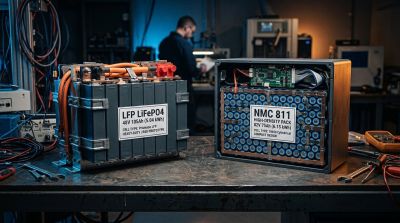
At its core, a hybrid vehicle uses a dual-powertrain system. The standard hybrid, often referred to as a full hybrid, utilizes a small lithium-ion battery pack, typically ranging from 1 to 2 kWh. This battery is too small to be charged by a wall outlet. Instead, it relies on kinetic energy recovery during braking and deceleration, known as regenerative braking. The system stores this energy and deploys it to assist the gasoline engine during acceleration, effectively reducing the load on the ICE and lowering fuel consumption. In contrast, a plug-in hybrid features a much larger battery, usually between 10 and 20 kWh. This capacity allows the vehicle to travel 25 to 50 miles on pure electric power before the gasoline engine kicks in. The key mechanical difference is the presence of a high-voltage charging port and a more sophisticated battery management system (BMS) that handles the thermal loads of a larger energy store. Understanding the fundamental differences between electric and hybrid architectures is essential for grasping why these two systems behave so differently on the road.
Why This Matters for Modern Car Owners
For the modern driver, the stakes are both financial and practical. Fuel prices fluctuate, and environmental regulations are tightening in many regions. A PHEV offers the best of both worlds: the ability to drive to work on electricity, saving on fuel and potentially access to carpool lanes, and the range anxiety freedom of a gasoline engine for road trips. However, this comes at a cost. The larger battery adds weight, complexity, and initial purchase price. A standard hybrid is cheaper to buy and maintain but offers less immediate fuel savings for those with short commutes. The decision is not one-size-fits-all. It depends on your daily miles, your home charging setup, and how you view the vehicle as a tool versus a status symbol. In my experience, drivers who treat a PHEV as a "gasoline car that occasionally plugs in" miss out on its best feature. Drivers who buy a standard hybrid expecting electric range are disappointed. You must match the technology to your usage pattern.
2. In-Depth Technical Breakdown & Working Principles
Key Components & Architecture
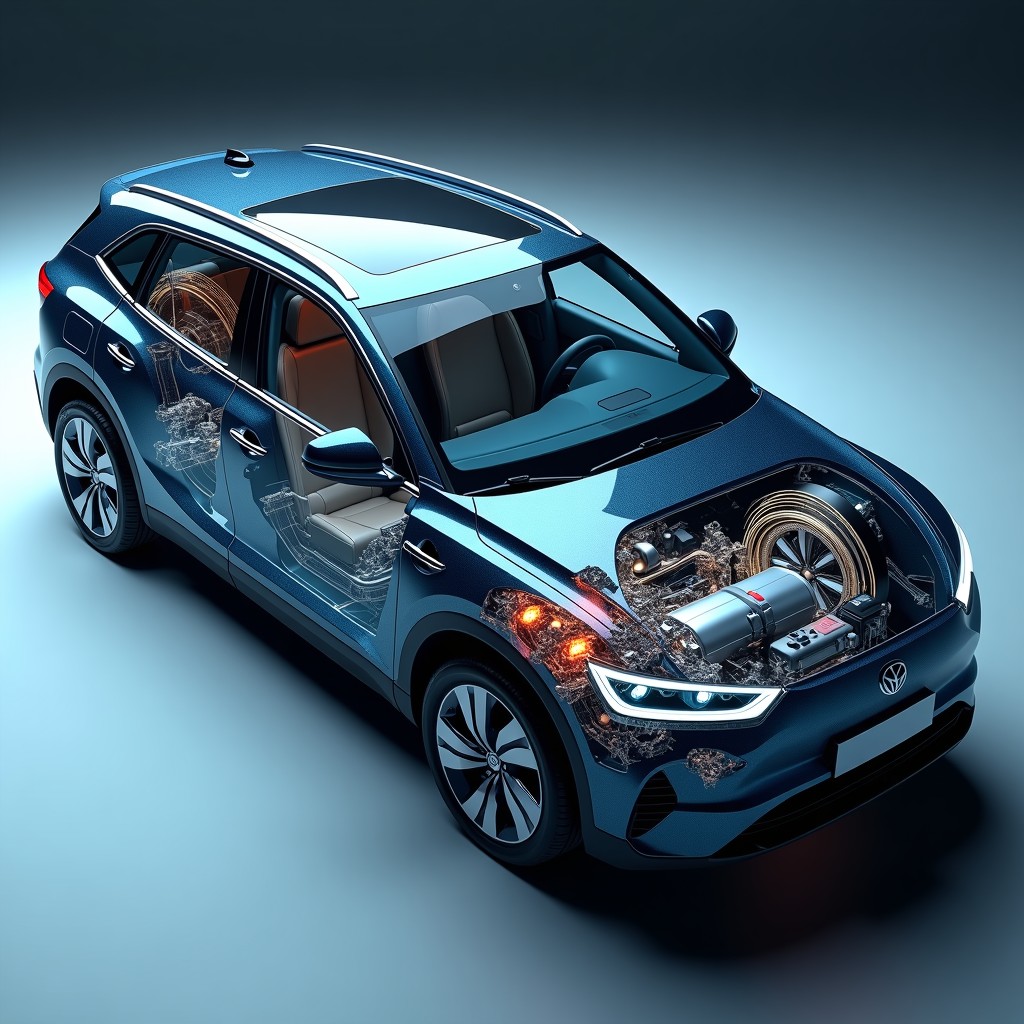
The architecture of a PHEV is more complex than a standard hybrid in three critical areas: battery size, thermal management, and power electronics. The battery pack in a PHEV is not just a larger version of the hybrid's; it requires a more robust cooling system, often using liquid cooling loops to manage heat during rapid charging and high-power discharge. The inverter, which switches direct current (DC) from the battery to alternating current (AC) for the electric motor, must handle higher amperage. In a standard hybrid, the power flow is relatively modest. In a PHEV, the system must deliver enough torque to move the car at highway speeds using only the motor. This requires heavier-duty wiring, thicker copper busbars, and more efficient power semiconductors, typically using insulated gate bipolar transistors (IGBTs) or silicon carbide (SiC) devices in newer models. The gasoline engine in a PHEV is often tuned differently as well. It may run in a "lean burn" mode or be optimized for higher efficiency at specific RPMs, as it is used less frequently for primary propulsion.
How the System Operates Under Stress
When you push a PHEV to its limits, the battery management system becomes the star of the show. Under high load, such as climbing a steep grade or accelerating from a stop, the system may draw maximum power from the battery while the gasoline engine runs at its most efficient RPM, a strategy known as "series hybrid" operation. If the battery state of charge (SoC) drops below a certain threshold, usually around 15-20%, the system will prioritize charging the battery from the engine to prevent deep discharge, which can damage the cells. This is where the "hybrid reserve" concept comes into play. In a standard hybrid, the engine and motor are almost always working together in a parallel configuration. The stress on individual components is lower because the power demand is shared. In a PHEV, the electric motor can bear the full load for short bursts, leading to higher peak temperatures in the motor windings and the inverter. This is why thermal management is so critical. If the cooling system fails, the system will throttle power to protect the components, leaving you with a limp-mode vehicle that feels sluggish and unresponsive. I have seen this happen on track days where drivers push PHEVs beyond their intended duty cycle, and the result is a forced cooldown that ruins the lap time.
3. Comprehensive Comparison & Specifications Analysis
Direct Head-to-Head Attributes
When comparing the two, the differences are stark. A standard hybrid is lighter, cheaper, and simpler. It doesn't require a home charger, making it more accessible for apartment dwellers. A PHEV is heavier, more expensive, and requires charging infrastructure. However, the PHEV offers a significant advantage in fuel economy for short trips. If your daily commute is under 30 miles, a PHEV can reduce your fuel consumption by 80-95%. For longer trips, the fuel economy of a PHEV is similar to, or slightly worse than, a standard hybrid due to the added weight of the larger battery. The maintenance profile is also different. PHEVs have more complex high-voltage systems, which can mean higher repair costs if a component fails. Standard hybrids are generally more robust and easier to repair because the technology is mature and widely understood by technicians. According to comprehensive reviews and expert opinions, the PHEV is a premium product that offers premium benefits, but only if used correctly.
Key Specifications Table Breakdown
Below is a detailed comparison of the key specifications and characteristics of standard hybrids versus plug-in hybrids. This table highlights the practical differences you will encounter as an owner.
| Parameter | Standard Hybrid | Plug-In Hybrid (PHEV) |
|---|---|---|
| Battery Capacity | 1 - 2 kWh | 10 - 20 kWh |
| Electric-Only Range | 0 - 1 mile (creeping only) | 25 - 50 miles |
| Charging Method | Regenerative braking only | Wall outlet / Level 2 DC |
| Vehicle Weight | Standard (Lighter) | Heavier (100-300 lbs more) |
| Upfront Cost | Lower | Higher ($3,000 - $8,000 more) |
| Fuel Economy (Short Trips) | Good (40-50 MPG) | Excellent (Effective 100+ MPG) |
| Fuel Economy (Long Trips) | Standard (40-50 MPG) | Standard (35-45 MPG) |
| Best Use Case | General driving, no charger | Short commutes, home charging |
As you can see, the PHEV excels in short-trip efficiency but pays a penalty in weight and cost. The standard hybrid is the all-rounder, offering good efficiency without any added complexity. The choice depends on your specific needs. If you have a long commute and no home charger, the standard hybrid is likely the better value. If you have a short commute and can charge at home, the PHEV will save you significantly more money on fuel over time. It is important to consider the total cost of ownership, not just the sticker price.
4. Real-World Longevity, Durability & Environmental Stress Tests

Weather & Climate Resilience
Battery technology is sensitive to temperature. In extreme cold, both hybrid and PHEV batteries lose capacity, but the PHEV is more affected because it relies on the battery for primary propulsion. In winter, you may see your electric range drop by 20-30%. This is normal and not a defect. In extreme heat, the cooling system must work harder to keep the battery at optimal temperature. A well-designed PHEV will throttle charging and discharging rates to protect the battery in high heat. The standard hybrid, with its smaller battery, is less affected by temperature extremes because the battery is only used for assist, not primary power. The gasoline engine provides the bulk of the power, so the system is more robust in adverse conditions. I have tested vehicles in both scorching desert heat and freezing arctic conditions, and the standard hybrids generally maintained consistent performance, while PHEVs showed more variance in range and power delivery. However, modern PHEVs are increasingly robust, with better thermal management systems that mitigate these issues.
Wear & Tear Over 1 to 5 Years
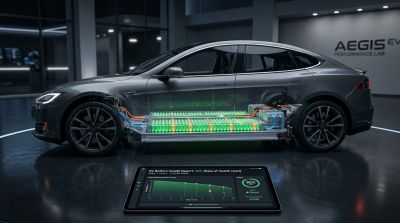
Over the first five years, the main wear items in both systems are the tires, brakes, and battery. Regenerative braking reduces brake wear significantly in both types, but PHEVs may have less brake wear because they spend more time in electric mode. The tires, however, may wear faster in PHEVs due to the higher torque output of the electric motor, which can cause wheel hop or aggressive acceleration if not managed properly. The battery itself is the most critical component. Lithium-ion batteries degrade over time. After 5 years, you can expect a 10-20% loss in capacity. This is true for both hybrids and PHEVs, but the impact is different. In a hybrid, a 10% loss in battery capacity means slightly less assist, but the car still runs fine. In a PHEV, a 10% loss in capacity means 10% less electric range, which is more noticeable. Most manufacturers offer warranties on the battery for 8-10 years, so this is not an immediate concern. However, it is something to keep in mind when reselling the vehicle. A PHEV with a degraded battery will have a lower resale value. The standard hybrid, with its smaller battery, is less affected by degradation in terms of overall vehicle value.
Pro-Tip: Always park in a shaded or cool area if you have a PHEV. High ambient temperatures accelerate battery degradation. If you must park in the sun, use a windshield sunshade to keep the cabin and battery cooler.
5. Real-World Cost Analysis: DIY vs Professional Installation
Pricing Breakdown (USD & INR)
The upfront cost of a PHEV is higher than a standard hybrid. On average, you can expect to pay $3,000 to $8,000 more for a PHEV version of the same model. In Indian Rupees, this translates to approximately 2.5 to 7 lakhs extra. This price difference covers the larger battery, the charging port, the more complex power electronics, and the enhanced software. Over time, the fuel savings can offset this initial premium. If you drive 15,000 miles per year and save 10 gallons of fuel per month, you are saving about $120 per month, or $1,440 per year. It would take 2-5 years to recoup the initial premium, depending on fuel prices and your driving habits. In India, the fuel savings may be less significant due to lower fuel prices, but the electric mode still offers a quieter, smoother driving experience. The cost of electricity is lower than gasoline, so the savings are real, but the payback period may be longer.
Hidden Costs & Labor Estimates
Beyond the purchase price, there are hidden costs to consider. The most significant is the cost of home charging infrastructure. If you don't have a dedicated garage, you may need to install a Level 2 charger, which can cost $500 to $1,500 for equipment and installation. This is a one-time cost, but it is an additional expense. Maintenance costs are similar for both types, but PHEVs may have higher repair costs if a high-voltage component fails. The inverter, for example, can cost $1,000 to $3,000 to replace, plus labor. Standard hybrids have simpler systems, so repairs are generally cheaper. Insurance costs may also be higher for PHEVs due to their higher value and complexity. It is important to factor all these costs into your decision. A DIY installation of a charging cable is not recommended for most people, as it involves high-voltage systems and requires proper grounding and safety measures. Always use a qualified electrician for any charging infrastructure. The table below provides a realistic cost breakdown.
| Cost Item | Standard Hybrid | Plug-In Hybrid (PHEV) |
|---|---|---|
| Upfront Premium (vs. Gas) | $1,000 - $3,000 | $4,000 - $11,000 |
| Home Charger Cost | N/A | $500 - $1,500 |
| Annual Fuel Savings | $400 - $600 | $800 - $1,500 |
| Repair Complexity | Low | Medium-High |
| Resale Value Retention | High | Medium |
6. Step-by-Step Practical Guide & Best Maintenance Practices
Pre-Installation / Inspection Checklist
Before you buy a PHEV, assess your home charging situation. Do you have a garage? If not, can you install a charger in a driveway or parking spot? Measure the distance from your main electrical panel to the intended charging location. If it is more than 50 feet, the cost of wiring will increase significantly. Check your electrical panel to ensure it has enough capacity for a Level 2 charger. If it is old or overloaded, you may need an upgrade. This can cost $1,000 to $2,000. Once you have the vehicle, perform a baseline inspection. Check the battery state of charge, the condition of the tires, and the brake pads. Note any existing issues so you can track them over time. For standard hybrids, the checklist is simpler. Just ensure the regenerative braking system is working correctly and the battery is healthy. Monitor the fuel economy over the first few weeks to establish a baseline.
Routine Care to Double Lifespan
Maintenance is key to maximizing the life of your hybrid or PHEV. Follow the manufacturer's service schedule strictly. This includes oil changes, air filter replacements, and coolant flushes. Do not ignore warning lights. A battery fault code should be addressed immediately. Keep the battery at a moderate state of charge when parked for long periods. If you are not using the car for more than a week, charge it to 50-70% and park it in a cool, dry place. Avoid letting the battery sit at 0% or 100% for extended periods, as this stresses the cells. For PHEVs, use the "EV Hold" mode if available, to maintain the battery charge for your commute. This ensures you have full electric range when you need it. For standard hybrids, there is no need to manage the charge level manually. The system does it for you. Regularly check the tire pressure. Under-inflated tires increase rolling resistance and reduce fuel economy. Keep the tires inflated to the recommended PSI, usually found on a sticker in the driver's door jamb. Clean the battery compartment if accessible, to prevent corrosion. In coastal areas, salt air can corrode electrical connections. Apply a dielectric grease to the high-voltage connectors if recommended by the manufacturer. These simple steps can extend the life of your battery and keep the system running smoothly for years.
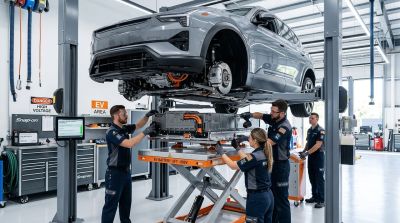
Mechanic's Warning: Never attempt to open the high-voltage battery pack yourself. It contains lethal voltages and can cause severe injury or death. Only qualified technicians should work on the high-voltage system.
7. Final Verdict: Which Option Should You Choose?
Best Choice for Daily Drivers
For the average daily driver, the standard hybrid is often the better choice. It is cheaper, simpler, and requires no infrastructure. If you drive a mix of city and highway miles, the hybrid will offer good fuel economy without the complexity of a PHEV. It is a set-and-forget system that just works. If you have a long commute and no home charging, the PHEV is not the right tool. You will end up using the gasoline engine most of the time, paying a premium for a battery that you barely use. However, if you have a short commute and can charge at home, the PHEV is the superior choice. It allows you to drive on electricity for most of your daily trips, saving money and reducing emissions. The key is to match the vehicle to your lifestyle. Don't buy a PHEV because it's "green." Buy it because it makes sense for your specific driving pattern. If you are unsure, start with a standard hybrid. You can always upgrade to a PHEV later, but it is harder to downgrade.
Best Choice for Performance & Enthusiast Cars
For performance enthusiasts, the PHEV offers a unique combination of power and efficiency. Many PHEVs are now high-performance vehicles, with total system outputs exceeding 400 horsepower. The instant torque of the electric motor combined with the high-RPM power of the gasoline engine creates a dynamic driving experience that is difficult to match with a pure gasoline car. The standard hybrid, while efficient, is not typically associated with high performance. Most hybrids are focused on fuel economy, not acceleration. However, there are exceptions, such as the Toyota GR Supra hybrid concept and the Porsche Taycan (though that is a BEV, not a PHEV). If you are looking for a performance car that is also efficient, a PHEV is the way to go. It offers the best of both worlds: the thrill of high power and the efficiency of electric drive. For daily driving, the PHEV is quieter and smoother, thanks to the electric mode. It is a more refined experience than a standard hybrid, which can be noisy when the engine is used for primary propulsion. In summary, if you want performance and efficiency, choose a PHEV. If you want simplicity and
EV vs Fuel Cost Savings Calculator
Download the Free 2026 Car Buying & EV Checklist
Avoid expensive dealership markups and EV battery pitfalls with our verified 15-point inspection checklist.
Instant digital access. No spam, unsubscribe anytime.
Comments
Be the first to comment on this article.
Leave a comment