
Is Now a Good Time to Buy a Car? (2026) Auto Market Trends, Prices & Expert Buying Guide
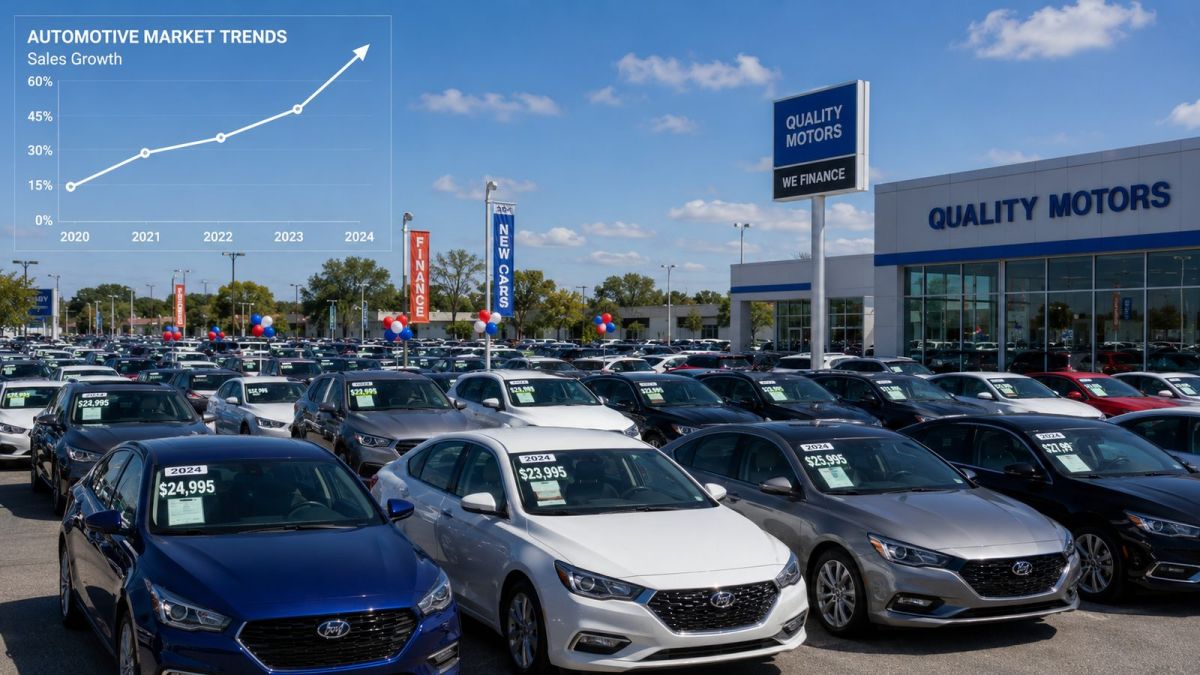
If you're wondering whether now is a good time to buy a car, you're not alone. Car prices swung wildly in recent years, and buyers are understandably cautious. This analysis looks at the 2026 auto market — new and used pricing, inventory, and interest rates — to help you decide whether to buy now or wait.
The State of the Market in 2026
After the extreme shortages and record prices of the early 2020s, the auto market has been slowly returning to balance. Inventory levels on dealer lots have recovered for most mainstream brands, which relieves the upward pressure on prices that defined recent years. When dealers have more cars than eager buyers, discounts and incentives return — and that's good news if you're shopping.
Are New Car Prices Coming Down?
New car prices have stabilized rather than dropped sharply. Manufacturers are once again offering incentives, rebates, and financing deals that had largely disappeared during the shortage years. However, the average transaction price for a new car remains historically high, driven by inflation in materials and a shift toward more expensive trucks and SUVs. The upshot: you'll find better deals than a couple of years ago, but a genuinely cheap new car is still hard to find.
Are Used Car and Truck Prices Going Down?
Used car prices have seen a meaningful correction from their peak. As more lease returns and trade-ins flow back into the market, supply has improved and prices have softened. Truck prices specifically, which had been extraordinarily resilient, are finally easing as inventory normalizes. If you've been waiting for used prices to fall, 2026 offers noticeably better value than the peak years — though prices remain above pre-2020 levels. For more detailed measurements and vehicle specifications, explore our comprehensive Audi A4 dimensions and size guide. For more detailed measurements and vehicle specifications, explore our comprehensive electric vs hybrid cars comparison guide.
The Interest Rate Factor
Here's the catch that many buyers overlook: even as vehicle prices ease, financing costs matter enormously. Auto loan interest rates directly affect your monthly payment and the total you pay over the life of the loan. A lower sticker price can be completely offset by a higher interest rate. Before deciding the timing is right, get pre-approved so you know the actual rate you qualify for — that number may matter more than the price tag.
Signs It's a Good Time to Buy
- Dealer inventory is healthy, giving you selection and negotiating room
- Manufacturer incentives and rebates are available on the model you want
- You qualify for a competitive interest rate
- End-of-quarter or end-of-year, when dealers push to hit sales targets
- Your current car's repair costs are climbing toward its value
Signs It Might Pay to Wait
- The specific model you want is newly released and in high demand (no discounts yet)
- Interest rates are expected to fall meaningfully in the near term
- Your current car is reliable and paid off
Will Car Prices Increase or Decrease From Here?
The general trend points toward gradual normalization rather than a dramatic crash. Most analysts expect used prices to continue softening modestly as supply improves, while new prices stay elevated due to structural cost pressures. Tariffs, supply-chain shifts, and the ongoing transition to electric vehicles all add uncertainty, so no forecast is guaranteed. What's clear is that the desperate seller's market of recent years has faded.
The Bottom Line
For most buyers, 2026 is a reasonable time to buy — better than the peak-price years, with more inventory and returning incentives. The smartest move isn't to time the market perfectly, which is nearly impossible, but to shop when you need a car, secure your own financing first, and negotiate hard using current market data. A well-negotiated purchase today beats waiting indefinitely for a perfect moment that may never come.
EV vs Fuel Cost Savings Calculator
Download the Free 2026 Car Buying & EV Checklist
Avoid expensive dealership markups and EV battery pitfalls with our verified 15-point inspection checklist.
Instant digital access. No spam, unsubscribe anytime.
Comments
Be the first to comment on this article.
Leave a comment