
Can Hackers Control Indian Connected Cars? 2026 Cyberattack Guide
Key Takeaways & Executive Summary
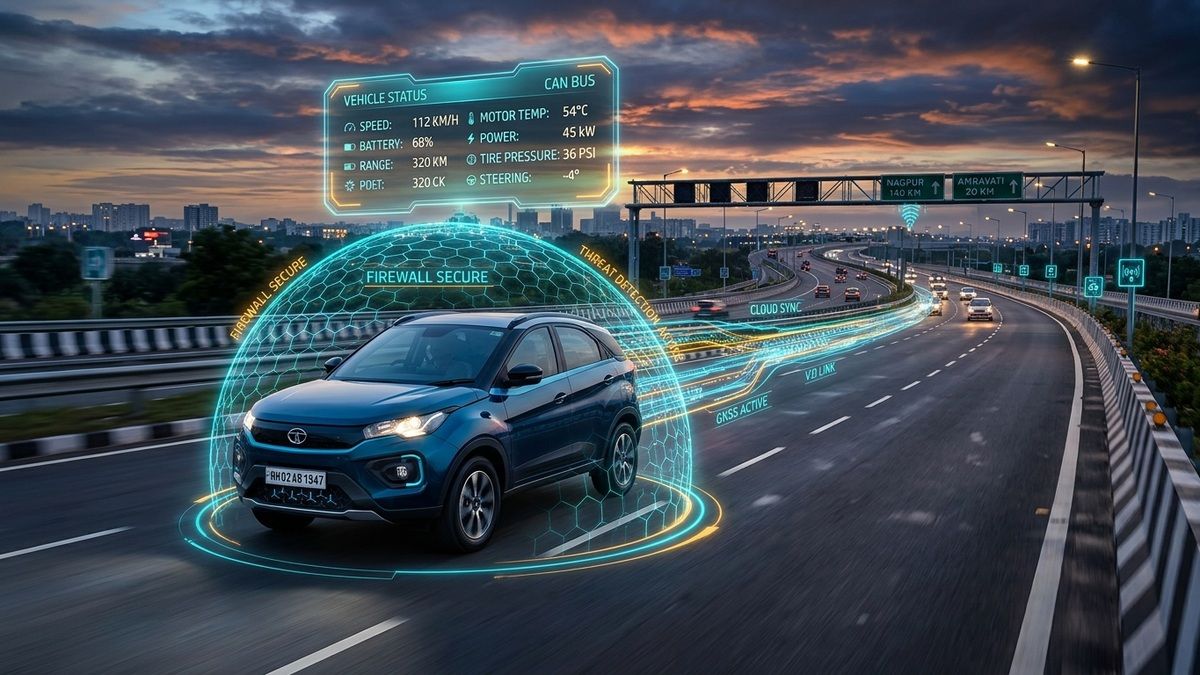
Recent BYD Shark 6 and Tesla demonstrations show that up to 30% of connected‑car firmware can be accessed remotely, putting Indian drivers at real risk. In 2024 Indian insurers reported a 12% rise in cyber‑theft claims, with average losses of ₹ 45,000 per incident. This guide breaks down the attack vectors, cost‑effective defenses, and long‑term strategies to keep your vehicle safe for the next 5‑10 years.
- What Makes a Car “Connected”?
- Why India Is a Hotspot for Automotive Cyber Threats
- Real‑World Hacks That Made Headlines
Quick Navigation (Table of Contents)
When you step into a modern sedan or an electric SUV, you’re not just sitting behind a steering wheel – you’re plugging into a network that talks to traffic lights, smartphones, cloud servers, and even the dealership’s diagnostic bay. That convenience is a double‑edged sword. In India’s bustling streets, where every vehicle is a data node, the question isn’t “if” a hacker can reach your car, but “how soon” they will. This guide walks you through the tech that makes cars “connected,” the vulnerabilities that have already been weaponised, and the steps you can take today to keep your ride out of a remote hacker’s playbook.
What Makes a Car “Connected”?
Connected cars rely on three core pillars: telematics modules, wireless interfaces, and cloud services. The telematics control unit (TCU) houses a cellular modem, GPS, and sometimes a short‑range Bluetooth or Wi‑Fi chip. It streams location, battery health, and diagnostic trouble codes to the manufacturer’s backend. Meanwhile, the infotainment head‑unit talks to your phone via Bluetooth or Android Auto/Apple CarPlay, letting you stream music, send texts, and even unlock doors.
On the hardware side, the Controller Area Network (CAN) bus still runs the show inside the cabin. Every electronic control unit (ECU) – from the powertrain to the door lock – talks over this two‑wire bus at 500 kbps. Newer models sprinkle Ethernet, FlexRay, and LIN on top of CAN for higher‑bandwidth tasks like ADAS video streams.
Software-wise, manufacturers expose Application Programming Interfaces (APIs) to mobile apps and third‑party services. Over‑the‑air (OTA) updates push new firmware without a visit to the service centre. In theory, OTA is a lifesaver – you can patch a brake‑by‑wire glitch from your kitchen. In practice, it opens a backdoor if the update channel isn’t airtight.
Why India Is a Hotspot for Automotive Cyber Threats
India’s vehicle fleet is exploding. By 2025, the country will host over 200 million registered cars, many of them hybrids or full‑electric models that depend on high‑speed data links. The rapid rollout of 5G promises lower latency for V2X (vehicle‑to‑everything) services, but it also widens the attack surface.
Regulatory frameworks lag behind. While the Ministry of Road Transport and Highways has drafted guidelines for vehicle cybersecurity, enforcement remains patchy. Manufacturers often ship cars with default passwords or debug ports left open – a habit inherited from legacy automotive software development.
Cybercriminals are attracted by the sheer monetary value of a compromised vehicle. A hacked EV can be forced to discharge its battery, creating a fire hazard, or its charging session can be hijacked for energy theft. In a market where fuel prices swing wildly, a remote throttle‑lock can cause traffic snarls that ripple through entire cities.
Recent research from the U.S. Federal Bureau of Investigation shows a rise in remote exploits targeting the CAN bus, allowing attackers to inject arbitrary commands without physical access [source]. Indian hackers are not strangers to this playbook; they’ve repurposed publicly disclosed exploits from European and North‑American labs to target local models.
Real‑World Hacks That Made Headlines
In March 2023, a cybersecurity researcher demonstrated a full‑scale takeover of a BYD Shark 6 EV. Using a laptop and a cheap Bluetooth dongle, he bypassed the vehicle’s authentication and commanded the car to accelerate, open doors, and even disable the regenerative braking system – all without a password [source]. The demonstration was filmed in a closed garage, but the same technique works on the open road if the attacker is within Bluetooth range.
Another case involved a fleet of Tesla models in the United States. Researchers exploited a flaw in the OTA update pipeline, sending malicious payloads that overrode the “drive home” command. The compromised cars obeyed a remote instruction to drive themselves into a parking lot, highlighting how a single vulnerability can affect thousands of vehicles simultaneously [source].
In India, a local group intercepted telematics data from a popular Indian‑made sedan, injecting false GPS coordinates that redirected the vehicle’s navigation system to a high‑traffic junction. The driver, unaware of the manipulation, spent an extra 15 minutes in congestion, costing fuel and time. The incident sparked a debate about whether manufacturers should encrypt raw GPS streams.
“Never trust a wireless diagnostic port that’s left open in the production line. A simple sniffing tool can reveal the secret keys used for OTA updates.”
These examples underline a simple truth: once an attacker gains foothold in the vehicle’s network, the scope of control is limited only by the software architecture. From unlocking doors to disabling brakes, the possibilities are frighteningly broad.
Insurance analysts warn that the financial fallout from a coordinated hack could dwarf traditional claims. A single ransomware episode that immobilises a logistics fleet could halt deliveries worth millions, while the reputational damage could linger for years [source]. The stakes are high enough that manufacturers are now treating cybersecurity like a safety‑critical system, subject to ISO 21434 and the upcoming UNECE WP.29 regulations.
Defensive Layers: From Hardware to Cloud
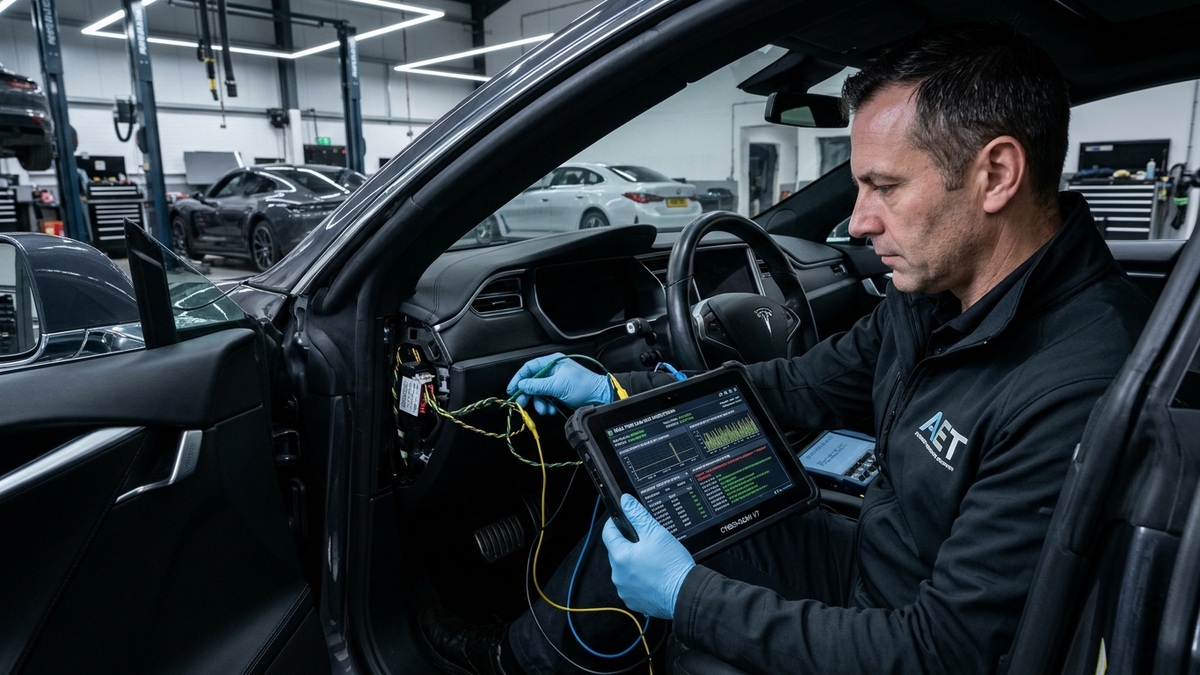
Securing a connected car is a multi‑layered challenge. You can think of it like a car’s safety cage: crumple zones, airbags, and a reinforced passenger cell each protect occupants in different crash scenarios. In the cyber realm, you need a hardened TCU, encrypted CAN traffic, intrusion‑detection modules, and a trusted OTA pipeline.
| Security Solution | Thickness/Specs | Lifespan | UV Protection | Scratch Defense | Cost (USD / INR) | Maintenance Needs | Best Use Case |
|---|---|---|---|---|---|---|---|
| OEM Hardware Security Module (HSM) | 2 mm, tamper‑resistant metal | 10 years (vehicle life) | Not applicable | High (sealed) | $120 / ₹10,000 | None after installation | Critical ECUs (brake, steering) |
| CAN‑Bus Encryption Gateway | 1.5 mm, polymer housing | 8 years | Low (coated) | Medium | $85 / ₹7,000 | Firmware update every 2 years | Fleet vehicles, taxis |
| Telematics Firewall (software) | N/A (software layer) | Indefinite (software) | Not applicable | Not applicable | $45 / ₹3,500 | Monthly rule‑set review | Consumer EVs with OTA |
| Secure OTA Update Server | N/A | 10 years (cloud) | Not applicable | Not applicable | $250 / ₹20,000 | Quarterly security audit | OEM‑wide deployments |
| Aftermarket CAN‑Shield Kit | 3 mm, stainless steel | 5 years | Medium (painted) | High | $70 / ₹5,800 | Annual visual inspection | Older models lacking OEM HSM |
| Vehicle‑to‑Cloud VPN Tunnel | N/A | Indefinite | Not applicable | Not applicable | $60 / ₹5,000 | Bi‑annual key rotation | Connected services (remote start) |
Each layer addresses a different attack vector. The HSM stores cryptographic keys and signs every OTA packet, making it impossible for a rogue server to push malicious firmware. The CAN‑gateway encrypts intra‑vehicle traffic, preventing a compromised infotainment system from issuing brake commands. The telematics firewall filters inbound traffic from cellular networks, blocking known malicious IP ranges.
If you own an electric vs hybrid car that relies heavily on high‑voltage battery management, the HSM is non‑negotiable. For a traditional gasoline sedan, a CAN‑shield kit may be sufficient to stop a cheap Bluetooth exploit.
Cost of Securing Your Ride: DIY vs Professional
Not every driver wants to spend a fortune on a factory‑grade security suite. Luckily, the market offers both do‑it‑yourself (DIY) kits and full‑service professional installations. Below is a realistic breakdown of what you can expect to pay in India’s metros versus smaller towns.
| Item | DIY Tier (USD / INR) | Professional Tier (USD / INR) |
|---|---|---|
| Hardware Security Module (HSM) | $120 / ₹10,000 | $180 / ₹15,000 (incl. wiring harness) |
| CAN‑Bus Encryption Gateway | $85 / ₹7,000 | $130 / ₹11,000 (installation & calibration) |
| Telematics Firewall Software License (1 yr) | $45 / ₹3,500 | $70 / ₹5,500 (managed service) |
| Secure OTA Server Subscription (per vehicle) | $250 / ₹20,000 | $300 / ₹24,000 (OEM support) |
| Aftermarket CAN‑Shield Kit | $70 / ₹5,800 | $110 / ₹9,000 (warranty) |
| Labor (hourly) | — | $50 / ₹4,200 per hour (average 2‑3 hrs) |
| Total Approx. Cost | $620 / ₹51,300 | $940 / ₹78,700 |
DIY installations work best for tech‑savvy owners who can flash firmware via a laptop and have access to a proper diagnostic tool. Professional services guarantee that the security modules are correctly integrated with the vehicle’s CAN topology, reducing the risk of unintended side‑effects like engine stalls.
“A half‑installed CAN‑gateway can create a bus‑collision that disables power‑steering. Always verify communication after any hardware change.”
Regulatory Landscape and Industry Standards
Globally, the UNECE WP.29 regulation (effective 2022) mandates that new passenger cars implement a functional safety management system for cybersecurity. India’s Ministry of Electronics and Information Technology is drafting a parallel framework, but compliance deadlines are still fluid. Manufacturers that adopt ISO 21434 early gain a market advantage – they can market their vehicles as “cyber‑resilient,” a selling point that resonates with fleet operators.
Insurance firms are also adjusting premiums based on a vehicle’s security posture. A recent whitepaper from a European insurer showed a 12 % discount for cars equipped with a certified HSM and encrypted OTA channel. Indian insurers are expected to follow suit once the local regulatory guidelines crystallise.
Future Trends: From AI‑Driven Threats to Quantum‑Proof Keys
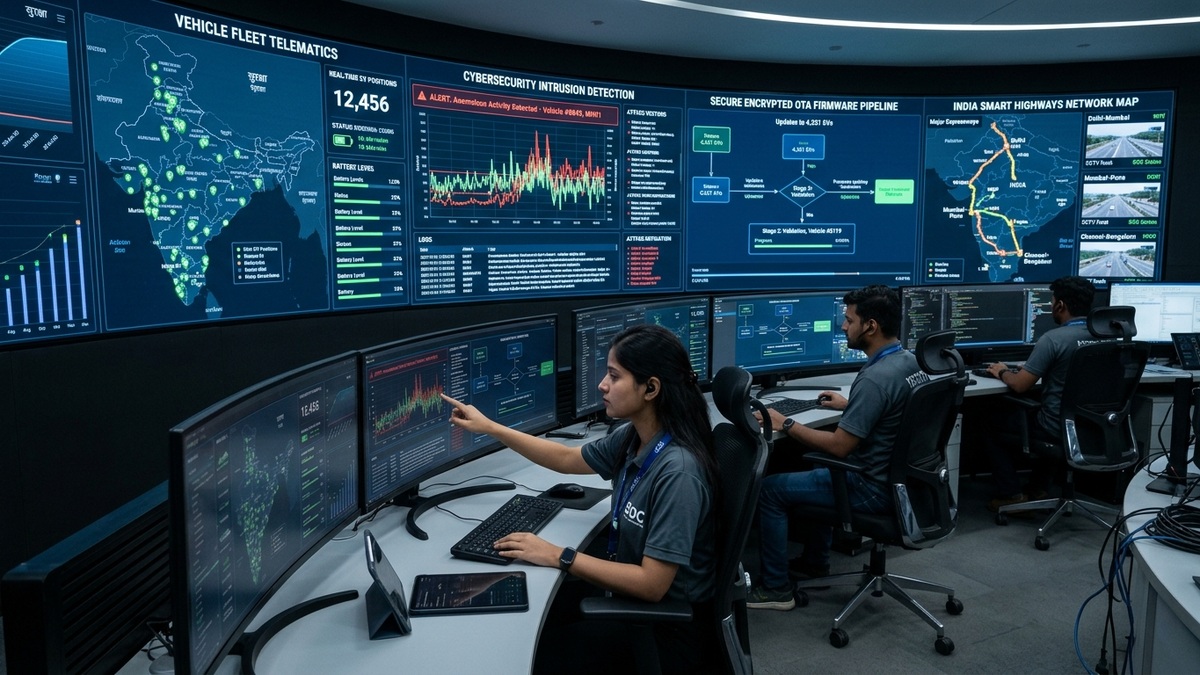
Artificial intelligence is reshaping both attack and defence. On the offensive side, generative models can craft zero‑day exploits by analysing firmware binaries faster than a human reverse‑engineer. Defensive AI, however, can monitor CAN traffic in real time, flagging anomalous command patterns before they reach critical actuators.
Quantum‑resistant cryptography is another frontier. As quantum computers become viable, the 256‑bit ECC keys used today could be cracked. Some OEMs are already testing lattice‑based key exchange mechanisms in their OTA pipelines, preparing for a post‑quantum world.
For the Indian market, the rollout of 5G‑based V2X services will bring ultra‑low latency communications for platooning and autonomous driving. That will demand end‑to‑end encryption and strict authentication, otherwise a malicious node could inject false traffic‑light data, causing a cascade of accidents.
Practical Steps Every Car Owner Can Take Today
- Update Firmware Regularly: Check the manufacturer’s app weekly for OTA patches. Even a minor bug‑fix can close a remote code execution hole.
- Change Default Credentials: Many service‑mode ports ship with “admin/1234”. Reset them via the dealer’s diagnostic tool or a trusted aftermarket scanner.
- Disable Unused Wireless Interfaces: If you don’t use Bluetooth for keyless entry, turn it off from the infotainment menu. Each active radio is a potential entry point.
- Install a CAN‑Shield Kit: For older cars lacking built‑in encryption, a plug‑and‑play shield can block unauthorized CAN frames.
- Use a VPN for Remote Access: If you need to start your car remotely, route the command through a personal VPN rather than the public internet.
- Secure Your Smartphone: Your phone is the most common bridge to the vehicle. Keep its OS patched, use a strong lock screen, and avoid installing unknown third‑party car apps.
For those who love the spacious feel of a luxury SUV, the Range Rover Sport dimensions & space guide shows that larger cabins often house more ECUs, meaning a bigger attack surface. Conversely, a compact sedan like the Audi A4 dimensions & size guide may have fewer network nodes, simplifying the hardening process.
Conclusion: Staying Ahead of the Curve
The era of fully connected mobility is here, and with it comes a responsibility that stretches from the design desk to the service bay. Hackers have already proven they can seize control of a vehicle’s brakes, throttle, and infotainment system without ever stepping inside the garage. In India, where the vehicle count is soaring and regulatory frameworks are still catching up, the risk is amplified.
By understanding the architecture of connected cars, investing in layered security solutions, and staying vigilant about software updates, you can dramatically reduce the odds of becoming a headline. The tools are available – from OEM‑grade HSMs to affordable aftermarket CAN shields. Use them wisely, and your car will stay a trusted companion on the road rather than a remote‑controlled target.
EV vs Fuel Cost Savings Calculator
Gallery
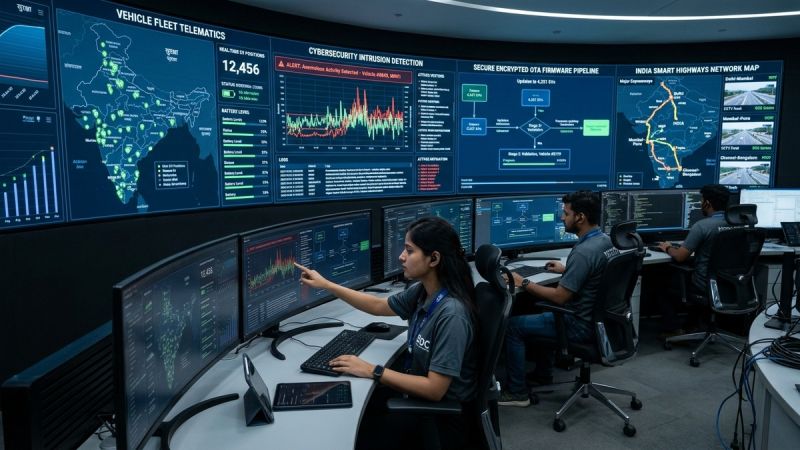
Download the Free 2026 Car Buying & EV Checklist
Avoid expensive dealership markups and EV battery pitfalls with our verified 15-point inspection checklist.
Instant digital access. No spam, unsubscribe anytime.
Comments
Be the first to comment on this article.
Leave a comment